If you picture a simple lakefront home with a dock out back and open water beyond, Lake Onalaska may surprise you. Buying near the water here can be rewarding, but it also comes with extra layers that many buyers do not expect. If you want to sort out true waterfront from water-access and view properties in Onalaska, this guide will help you ask smarter questions and buy with more confidence. Let’s dive in.
Lake Onalaska Works Differently
Lake Onalaska is a large, shallow lake in La Crosse County. Wisconsin DNR facts list it at 8,391 acres, with a mean depth of 6 feet and a maximum depth of 40 feet. It is also classified as a drainage-type lake, which helps explain why shoreline conditions and water access can feel less predictable than on a smaller inland lake.
The setting is another big factor. Lake Onalaska is part of the Upper Mississippi River National Wildlife and Fish Refuge, which stretches 261 miles and protects more than 240,000 acres. That protected landscape is part of what makes the area so scenic, but it also means the shoreline and access experience can be more complex than buyers expect.
According to local lake district information, access around the lake is shaped by dense aquatic vegetation, barrier islands, shallow water, and buoy-marked travel corridors. Water trail guidance also notes that conditions can change with water levels and after storms. In everyday terms, two homes that both look close to the water may offer very different day-to-day use.
Waterfront vs Water-Access vs View Homes
This is the most important distinction to understand before you tour homes near Lake Onalaska. In this market, the words used in a listing do not always tell the full story. You want to know exactly what rights and physical access come with the property.
What true waterfront means
A true waterfront home may have direct frontage, but even then, you should verify the parcel details carefully. The Lake Onalaska Protection and Rehabilitation District says much of the shoreland band is federally owned, while some areas are managed through leases or other arrangements. It also notes that federally owned shorelands remain open to public use through public access.
That means a home described as waterfront may still involve agency control, public-use considerations, easements, or lease-related details between the house and the water. The ownership story is not always visible from the driveway. It needs to be confirmed parcel by parcel.
What water-access means
A water-access home may not have direct frontage at all. Instead, its value may come from being close to public boat landings, paddle access points, or launch areas that make the lake easy to enjoy.
Around Lake Onalaska, the local access network matters a lot. Representative public access points include Fred Funk Landing, Mosey Landing, Fishermen’s Road Landing, Nelson Park Landing, Upper Spillway Landing, Lytles Landing, the Tubes walkdown, a DNR walkdown, and the Clearwater Cabins walkdown. For buyers who boat, fish, or paddle, nearby public access can be just as important as lot frontage.
What a view home means
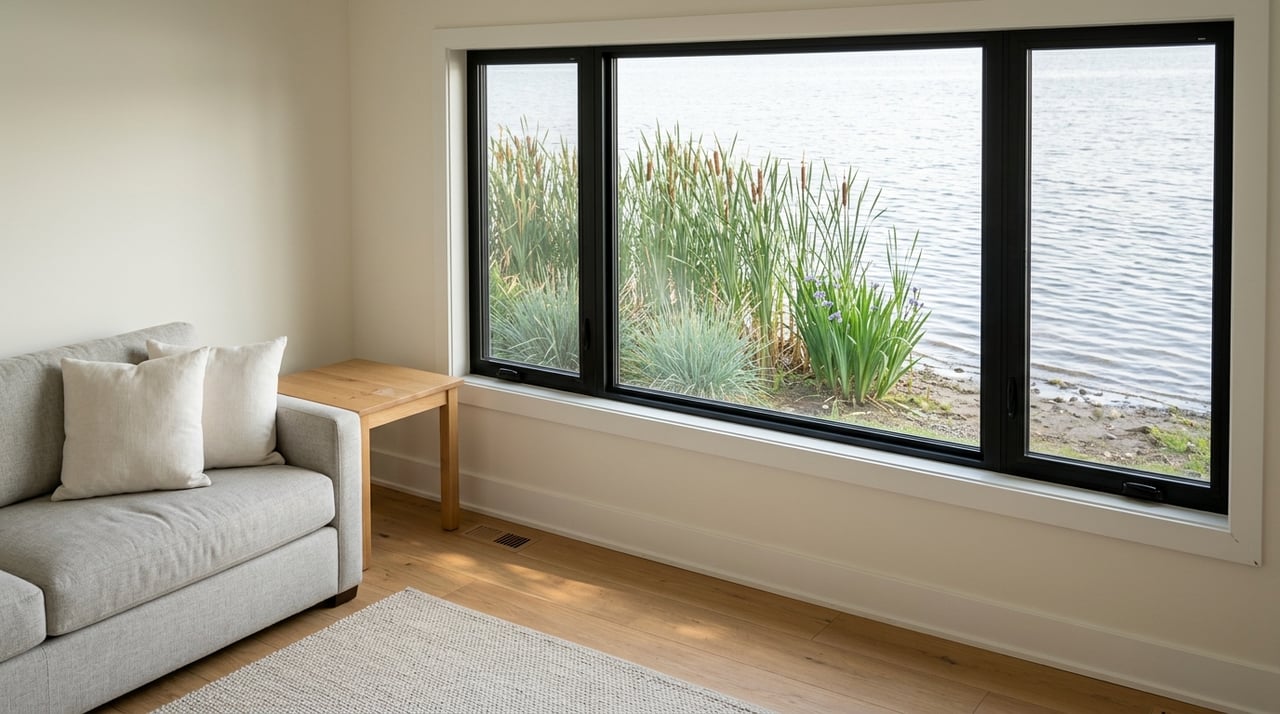
A view home gives you visual enjoyment of the lake without promising direct water use. This can still be a great fit if your main goal is scenery, sunsets, or proximity to the water rather than keeping a dock at home.
A good local example is the Lake Onalaska Overlook, which has no shore access. That helps illustrate the difference between a true water-access property and a property that simply benefits from the setting and views.
Why Parcel Details Matter So Much
Near Lake Onalaska, the lot itself is only part of the story. The bigger question is how the parcel interacts with shoreline control, public land, and permit rules. That is why buyers should avoid assumptions based on map views or listing photos alone.
La Crosse County says a shoreland permit is required for development within 1,000 feet of a navigable lake. The county also notes that it does not have zoning authority inside the City of Onalaska. Depending on where the property sits, you may need to confirm whether rules come from the city, town, county, Wisconsin DNR, or another agency.
The county also states that work such as dock construction, boat lifts, grading, filling, dredging, and similar shoreline activity can require permits from multiple agencies. If a property has existing shoreline improvements, you should ask whether permits are already in place and whether any approvals renew on a set schedule.
What Daily Life Near the Lake Can Look Like
One reason buyers are drawn to this area is the lifestyle. Onalaska offers a mix of housing types, and buyers near Lake Onalaska may find everything from compact year-round homes to larger custom properties, depending on the parcel and access rights.
The recreation appeal is real. The refuge supports boating, fishing, biking, birding, hiking, and paddling, and it is known for more than 290 bird species moving through the area and more than 300 pairs of bald eagles. Great River Landing in Onalaska adds shore fishing, canoe and kayak rentals, picnic areas, and views of Lake Onalaska and the Black River.
Boating is especially popular from May through September. The refuge maintains 26 boat landings, plus more than 220 additional non-refuge boat landings. That wide access network can make a water-access home very practical, even if you are not buying direct frontage.
Seasonal Access Can Change Your Experience
If your dream is easy boating from spring through fall, seasonal conditions deserve extra attention. On Lake Onalaska, access is not the same every week of the year. Water levels, vegetation, storms, and travel corridors all affect how you use the lake.
The Lake Onalaska Water Trail is a 4-to-7-mile paddling route on Pool 7, and refuge guidance says some trips require planning around water levels and even a shuttle vehicle. Local lake district materials also note that some routes are only usable during high water, while others are limited by shallow water and vegetation.
Fall brings another seasonal factor. A voluntary waterfowl avoidance area is active during migration, especially from October 15 through mid-November, to protect canvasbacks during peak migration. If you expect regular fall boating access, that is worth understanding before you buy.
Floodplain Checks Should Happen Early
Flood risk is one of the first items to review when buying near water. FEMA says its Flood Map Service Center is the official source for flood hazard maps. FEMA also explains that areas with a 1% annual flood chance are considered high risk and have about a one-in-four chance of flooding during a 30-year mortgage.
Locally, La Crosse County’s floodplain ordinance regulates development in mapped flood areas and requires compliance with floodplain standards. That can affect renovation plans, insurance needs, and how future improvements are handled. It is much better to learn this early than after you are under contract.
Surveys, Setbacks, and Buildable Space
A lot can look generous online and still have limits that affect how you use it. County guidance says public parcel data is only a general guide. When exact property-line precision matters, the county recommends using a licensed surveyor.
That matters even more near the lake. The county also notes that setbacks remain subject to plats, surveys, restrictions, and easements. In practical terms, a property may offer a great location but less buildable or usable area than you first assume.
Smart Questions To Ask Before You Offer
Before you make an offer on a Lake Onalaska home, slow down and get clear answers on the basics. These questions can help you separate a great fit from an expensive surprise.
- Is this property true frontage, deeded access, an easement, or only a view?
- Who controls the parcel and shoreline rules for this address: city, town, county, DNR, or another agency?
- Are permits in place for docks, boat lifts, steps, lockers, or other shoreline structures?
- Is the home in a mapped floodplain, and will flood insurance or further map review be needed?
- Are there seasonal limits on boating or paddling because of shallow routes, vegetation, high-water dependence, or fall restrictions?
- Have plats, setbacks, restrictions, and easements been reviewed carefully?
- If you want to add a deck, fence, pool, or another structure later, what approvals may be required?
How To Choose the Right Fit
The best property near Lake Onalaska depends on how you want to live. If you want direct launch convenience and a strong connection to the shoreline, you may focus on parcels with verified frontage and clear shoreline rights. If you mostly want to boat or paddle on weekends, a home near a public landing may give you the lifestyle you want with fewer ownership complications.
If your priority is scenery and location, a view home can be an excellent option. You may enjoy the water setting, easy access to recreation, and Onalaska location without taking on the same frontage questions that come with shoreline property.
The key is matching the property type to your real goals, not just the listing label. That is where local guidance can make a big difference.
Buying near Lake Onalaska can be exciting, but it pays to look past the photos and ask the right questions early. When you understand frontage, access, permits, floodplain factors, and seasonal use, you can make a much more confident decision. If you want a local expert who can help you evaluate the details property by property, connect with Julie Delap.
FAQs
What does waterfront mean near Lake Onalaska?
- Near Lake Onalaska, waterfront should be verified parcel by parcel because some shoreland is federally owned or managed through leases, easements, or other arrangements.
What is the difference between a water-access home and a view home in Onalaska?
- A water-access home may not have direct frontage but can still be close to public launch or paddle points, while a view home offers scenery without promising direct shore use.
What permits matter when buying near Lake Onalaska?
- Depending on the property and location, permits may matter for shoreland development, docks, boat lifts, grading, filling, dredging, and other shoreline structures or improvements.
Why should Lake Onalaska buyers check flood maps early?
- Floodplain status can affect insurance, renovation options, and compliance requirements, so checking official flood maps early can help you avoid surprises.
Can seasonal conditions affect boating access on Lake Onalaska?
- Yes. Water levels, aquatic vegetation, shallow routes, storms, and fall waterfowl protections can all affect how and when parts of the lake are used.
Do I need a survey when buying a home near Lake Onalaska?
- A survey is often wise when boundary lines, setbacks, easements, or exact buildable area matter, because county parcel data is only a general reference.