Trying to choose between a condo, townhome, or single-family house in Onalaska? It’s a big decision, and the right fit depends on how you want to live, what you want to maintain, and how you plan to finance your purchase. You want clarity on ownership, fees, and future risks so you can buy with confidence. This guide breaks down the differences in plain language and gives you a practical checklist tailored to Onalaska. Let’s dive in.
What each option really means in Wisconsin
Condominiums: What you own
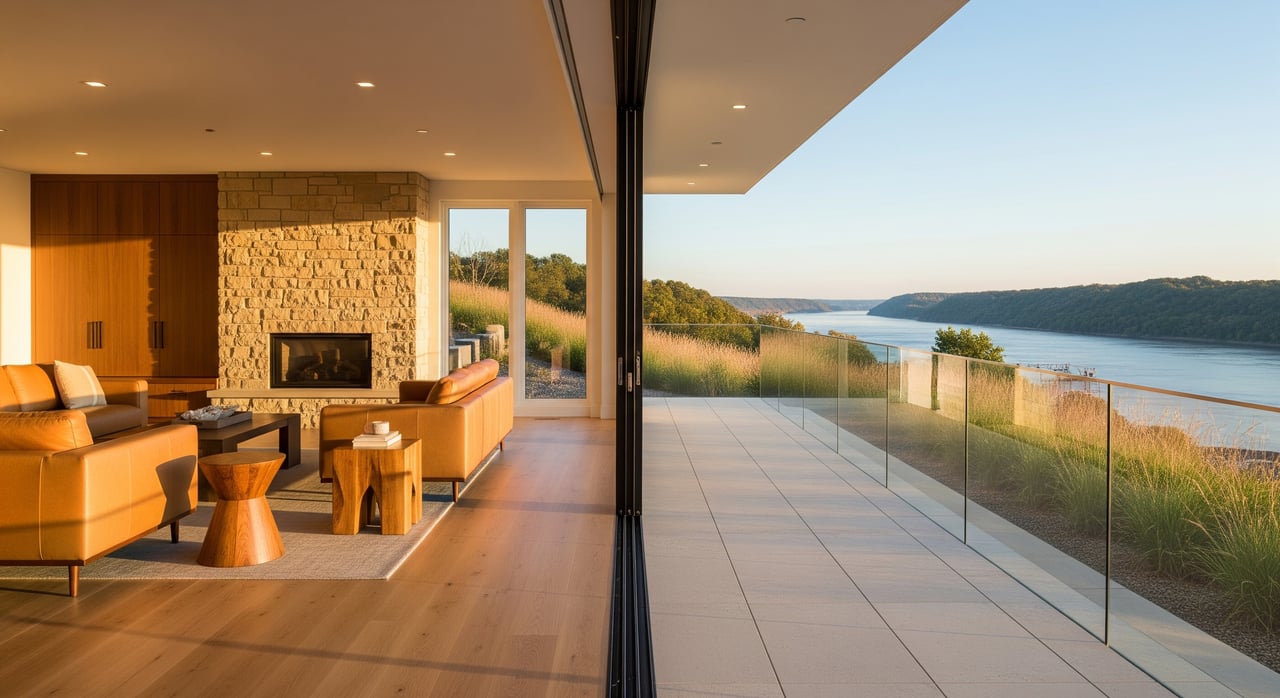
In Wisconsin, a condominium is a legal form of ownership under the state’s Condominium Ownership Act (Chapter 703). You own the interior of your unit and share ownership of common elements like the roof, exterior, structure, land, and amenities. The association governs the property through a recorded declaration, bylaws, and rules.
Most condo owners are responsible for “walls-in” items such as interior finishes, fixtures, and appliances. The association typically handles exterior maintenance, landscaping, and insurance on the common elements. Always confirm exact boundaries and responsibilities in the recorded documents.
Townhomes: Style vs. legal form
“Townhome” describes a style, not a specific legal structure. In Onalaska, a townhome community could be set up as a condominium, a fee-simple development with an HOA, or fee-simple lots with minimal shared rules. Your maintenance obligations can range from walls-in only to full roof and exterior responsibility. Do not assume. Review the recorded declaration and covenants to know what you own and what the HOA maintains.
Single-family homes: Full responsibility
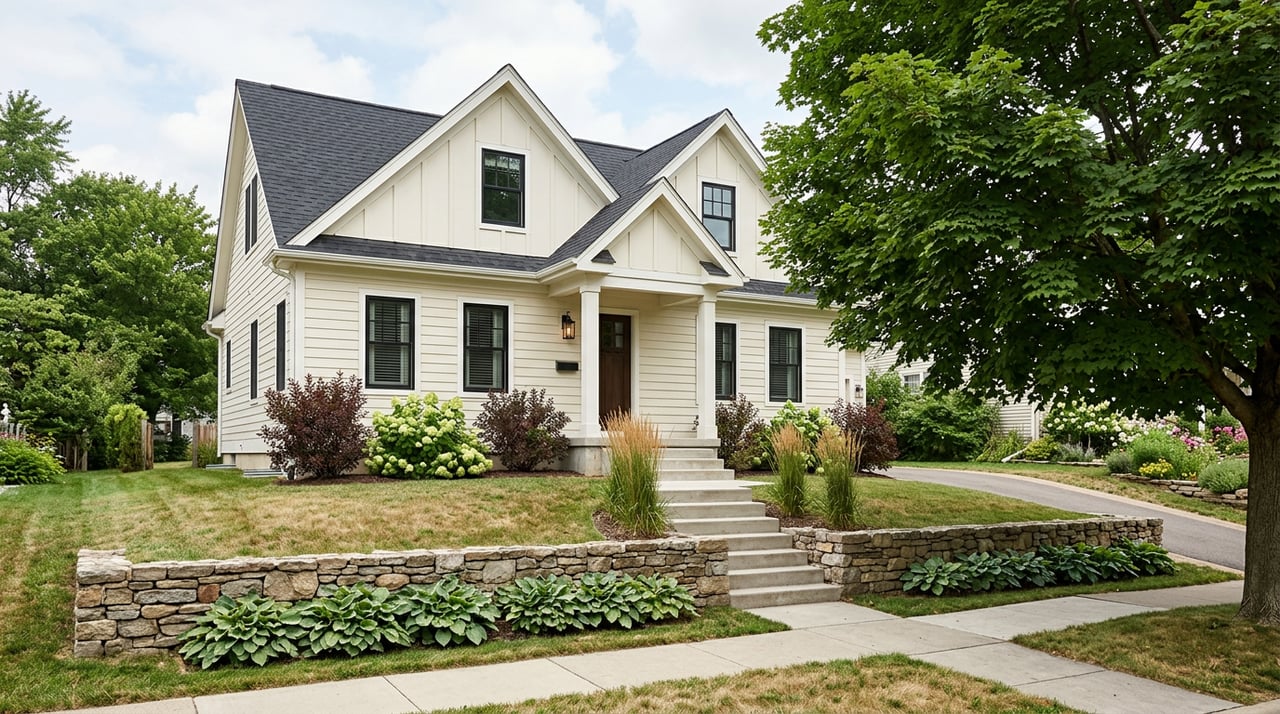
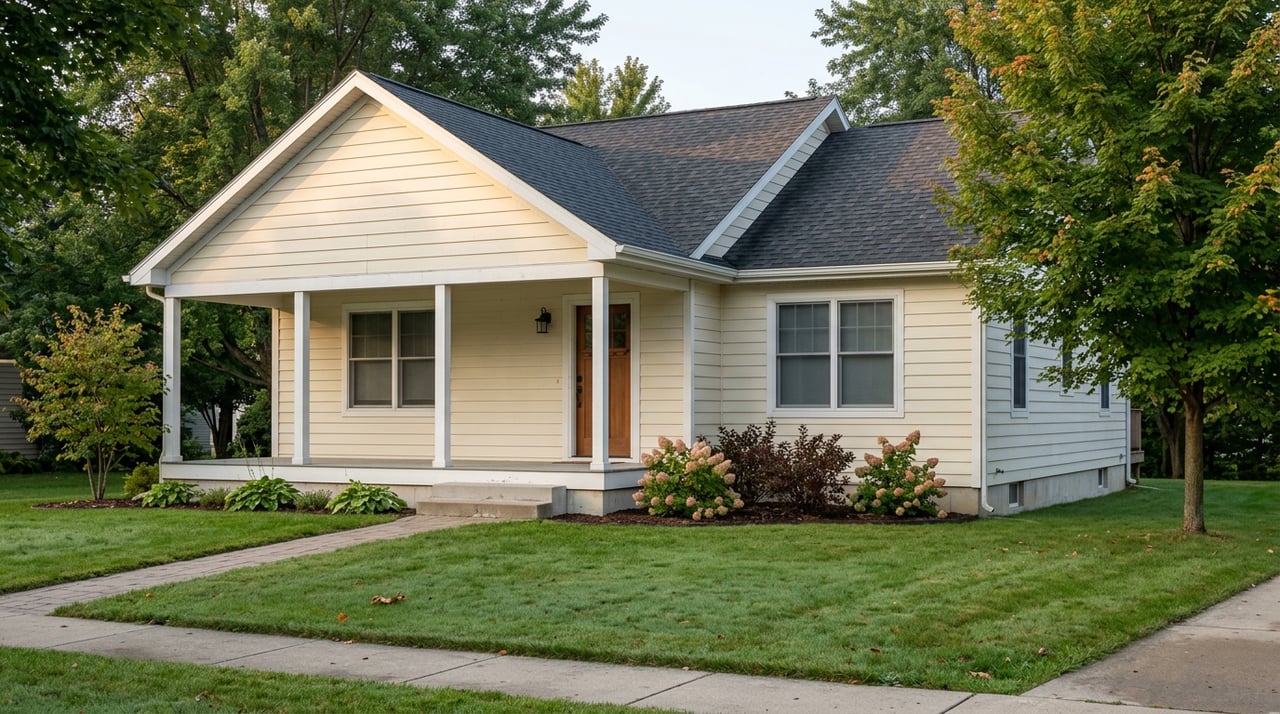
With a detached single-family property, you typically own the house and the lot in fee simple. You are responsible for the yard, exterior, roof, and all systems. If the home is in a subdivision with an HOA, that group may manage common-area upkeep and covenants, but your day-to-day property maintenance usually remains yours.
Fees, reserves, and buyer protections
Monthly condo or HOA fees usually cover exterior upkeep, snow removal, landscaping, trash service, shared utilities, and any amenities. Part of each fee also funds reserves for larger future repairs. Well-funded reserves reduce the risk of special assessments for big-ticket items.
Special assessments can occur when major repairs or emergencies exceed available reserves. To gauge the risk, review the association’s budget, financial statements, and any reserve study. If there is no recent reserve study or funded plan, you may face a higher chance of future assessments.
Before you buy, request and review:
- Recorded declaration/plat and covenants, bylaws, and rules
- Current operating budget and balance sheet
- Most recent reserve study or funding plan
- Board meeting minutes from the last 6–12 months
- Insurance certificate for the master policy and required owner coverage
- Any disclosures about pending litigation, projects, or code issues
- Owner-occupancy rates, rental and pet policies, and parking rules
Financing and insurance differences
Condos often have a lower purchase price than comparable detached homes, but HOA fees are a real monthly cost. Build your budget around your mortgage payment plus taxes, insurance, HOA dues, and utilities.
Some lenders apply extra review to condos. They may look at owner-occupancy levels, the association’s financial health, pending litigation, and reserve adequacy. For FHA or VA loans, a condo project may need to meet specific eligibility criteria, which can also affect resale buyer pools. A lender who regularly finances condos can help you verify project eligibility early.
Insurance needs vary by ownership type:
- Condo owners typically carry an HO-6 policy for interior finishes, personal property, and loss assessment coverage, while the association insures common elements.
- Fee-simple townhomes and single-family homes usually require a full homeowner’s policy (HO-3 or similar), including coverage for roof and exterior.
- Onalaska has areas near rivers and floodplains. If a property is in a Special Flood Hazard Area, lenders will require flood insurance. Check local maps, elevations, and any flood history for the specific address.
Lifestyle trade-offs in Onalaska
- Maintenance and time: Condos minimize hands-on work and coordinate snow removal and landscaping. Single-family homes require ongoing exterior care, or you will hire it out. Townhomes fall in the middle depending on the HOA’s scope.
- Privacy and noise: Detached homes generally offer more separation. Attached living can include shared-wall sound and closer proximity to neighbors.
- Outdoor space: Single-family homes tend to offer private yards. Condos and many townhomes provide balconies, patios, or shared green space.
- Amenities and walkability: Condos and townhomes closer to Onalaska’s downtown and riverfront may offer easier access to shops, restaurants, and trails. Many single-family neighborhoods are less walkable but often near parks and community facilities.
- Seasonal realities: Winter policies matter. Confirm who handles snow removal, where you can park during storms, and how heating systems and common mechanicals are maintained.
Onalaska location checks that matter
- Flood risk: Review flood maps and elevation for properties near the Mississippi River and connected waterways. Flood insurance requirements are property-specific.
- School district and taxes: Verify district boundaries and current tax information through county resources. These items influence long-term ownership costs and buyer demand.
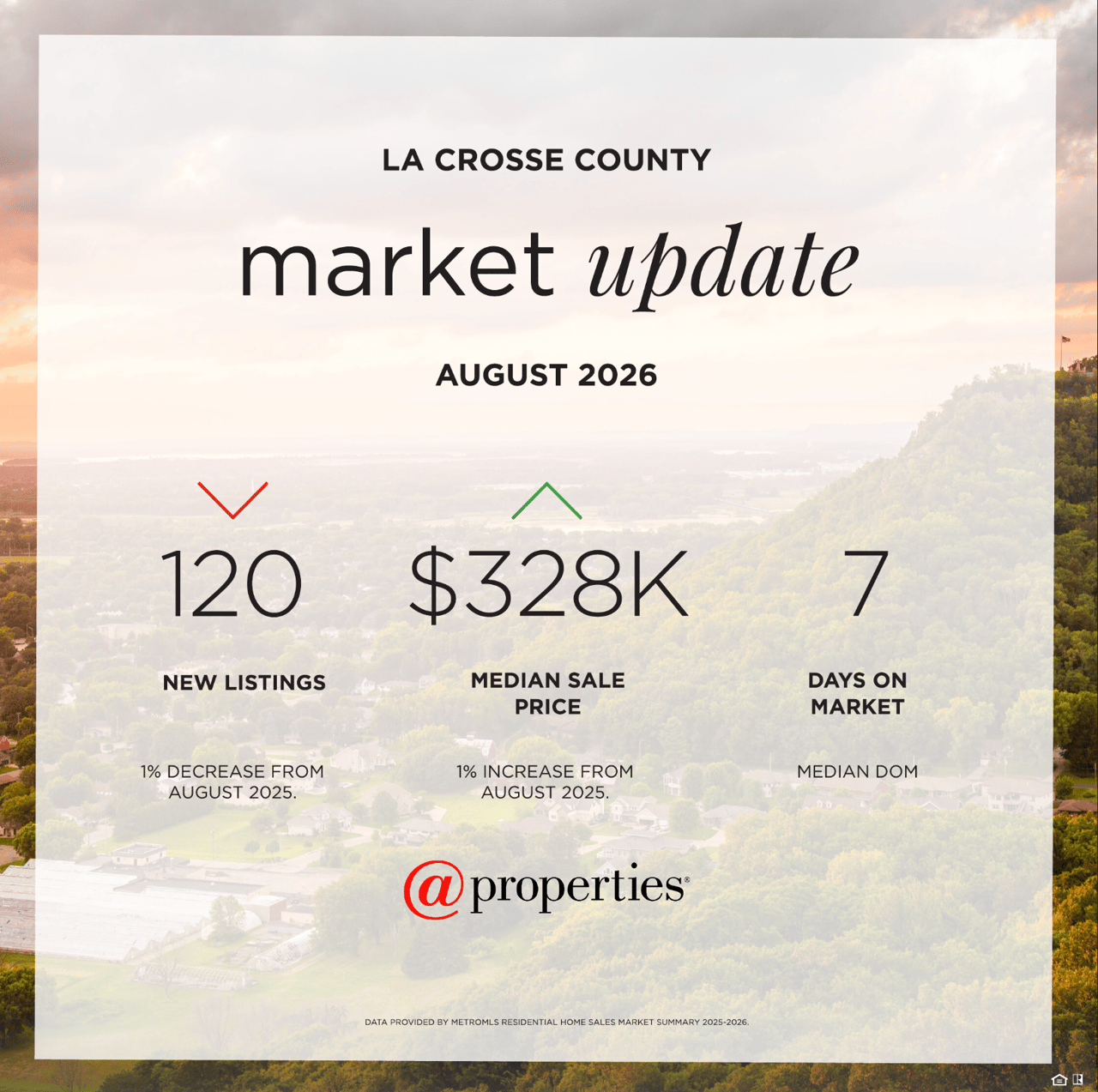
- Inventory and product mix: Onalaska offers a blend of single-family homes and multi-unit or condo options, with some townhome developments. For current listings, days on market, and trends, consult local REALTOR association reports and the regional MLS.
- Commutes and access: Proximity to La Crosse job centers, health systems, and major roads may influence where you land.
Compare your total monthly cost
Use an apples-to-apples approach across property types:
- Mortgage principal and interest
- Property taxes
- Homeowner’s insurance (HO-3 for houses/townhomes with exterior responsibility; HO-6 for condos)
- HOA/condo dues
- Average utilities
- Typical maintenance and landscaping costs
Tip: A lower condo price can be offset by higher dues, while a higher-priced house may have lower monthly fees but more out-of-pocket maintenance. Model 5–10 years of ownership to see what fits your budget and time.
Buyer due-diligence checklist
Before you write an offer or as a contingency, gather:
- Full condo declaration/plat and any CC&Rs
- Bylaws, rules, and recent board meeting minutes (12 months)
- Current budget, financial statements, and most recent reserve study or funding plan
- Master insurance certificate, including coverage limits and deductibles
- Owner-occupancy rate, rental caps or restrictions, and pet policies
- History of special assessments and any planned projects
- Any pending litigation, judgments, or code issues
- Vendor contracts for snow removal, landscaping, or management if available
Professional steps:
- Get pre-approved with a lender experienced in condos if you are considering one
- Order a thorough home inspection; for condos, request access to review common elements when possible
- Consult an attorney if documents are complex, if litigation exists, or if maintenance boundaries are unclear
- For low-lying or waterfront properties, obtain elevation information and review any prior flood claims
When a townhome is a condo
Many townhomes in our region are legally condos. That means the association, not you, may handle the exterior and roof, and your insurance will be an HO-6 instead of a standard homeowner’s policy. Always confirm the legal structure in the recorded declaration so you do not overestimate or underestimate ongoing costs and responsibilities.
Ready to compare your options?
You do not have to figure this out alone. A local, document-first review will help you avoid surprises and choose the right fit for your lifestyle, budget, and risk comfort. If you want a side-by-side look at specific Onalaska properties, association documents, and total monthly cost scenarios, reach out to Julie Delap to schedule a consultation.
FAQs
What do condo fees usually cover in Onalaska?
- Fees often include exterior building care, roof maintenance, landscaping and snow removal, common-area utilities, trash service, and amenity operations. Always verify each item in the budget and rules.
Can you use FHA or VA loans for an Onalaska condo?
- Possibly. Condo projects may need to meet specific eligibility requirements for FHA or VA financing. Ask your lender to check the project’s status early in the process.
How do special assessments work in a Wisconsin condo?
- Associations can levy special assessments to fund large repairs or emergencies when reserves are insufficient. Review minutes, reserve studies, and financials to gauge future risk.
Do you need flood insurance in Onalaska?
- It depends on the property. Lenders require flood insurance if the home is in a mapped Special Flood Hazard Area. Check local maps, elevations, and any history of flooding for the address.
What documents should you review before buying into an HOA or condo?
- Examine the declaration, bylaws, rules, current budget and financials, reserve study, master insurance, meeting minutes, owner-occupancy data, rental rules, and any disclosures about litigation or planned projects.
Are townhomes always lower maintenance than houses?
- Not always. If a townhome is legally fee-simple with limited HOA services, you might handle the roof and exterior like a single-family home. Confirm responsibilities in the recorded documents.