Historic Homes in Winona: Smart Touch‑Ups Before Listing
Thinking about listing your historic Winona home but not sure which touch-ups will help it shine without creating approval headaches? You’re not alone. Selling a home in a local historic district can feel complex, especially when you want strong curb appeal and a smooth path to closing. This guide gives you a seller-focused punch list of reversible upgrades, smart paint choices, and maintenance tasks that respect local Historic Preservation Commission (HPC) expectations and boost buyer interest. Let’s dive in.
Confirm historic status
Before you pick up a paintbrush, confirm how your home is designated. National Register listing recognizes historic significance, but it usually does not restrict what private owners do unless federal money or permits are involved. Day-to-day review typically comes from local ordinances and the municipal HPC.
If your property sits within a locally designated historic district, visible exterior changes often require review and a Certificate of Appropriateness. Start by contacting Winona planning or HPC staff for a quick check and a pre-application conversation. You’ll save time and avoid surprises.
What review involves
Most commissions use the Secretary of the Interior’s Standards for Rehabilitation and practical guidance from National Park Service Preservation Briefs. Expect a staff consultation for minor work and public HPC meetings for bigger changes like additions. Meeting schedules vary, so plan several weeks for review, especially if your timing is tight.
Use the right approach
Follow this preservation mindset: repair in kind, replace only when necessary, and keep interventions reversible. Focus on curb appeal without altering character-defining features like original windows, porches, trim, and masonry.
Distinguish between routine maintenance and alterations that may require approval. A little planning helps you choose small, high-impact updates that show well and stay within the rules.
Quick wins for curb appeal
These low-cost, low-risk moves can make your listing photos pop.
- Gently wash siding and trim. Avoid aggressive pressure on old wood and masonry.
- Clean gutters and downspouts, and direct water away from the foundation.
- Tidy the lawn, prune shrubs that hide the entry, and remove debris.
- Replace burned-out bulbs and clean fixtures. Use warm color temperature for a welcoming glow.
- Make small safety repairs to steps, handrails, and porch decking using in-kind materials.
- Tighten or replace loose hardware like house numbers and mailboxes with reversible anchors.
Projects for the next 2–6 weeks
Once the fast fixes are done, tackle small projects that lift perceived quality.
- Touch up paint on trim and refresh the front door after testing sample colors.
- Reglaze cracked window panes and repair sash cords. Add interior storm windows for comfort.
- Replace missing porch balusters or patch decorative trim to match existing profiles.
- Address minor roof repairs so buyers see a well-maintained exterior.
Start early if review is likely
Some changes commonly need an application and approval. Begin these conversations well ahead of listing if they are on your plan.
- Full window replacement.
- Altering porches, railings, columns, or steps that change the façade.
- Re-siding or removing historic siding.
- Painting masonry or changing the primary body color where colors are regulated.
- Additions, dormers, or visible solar placements.
- New visible fencing, driveway expansions, or grading.
Doors, lighting, and small details
Thoughtful, reversible accents can transform first impressions.
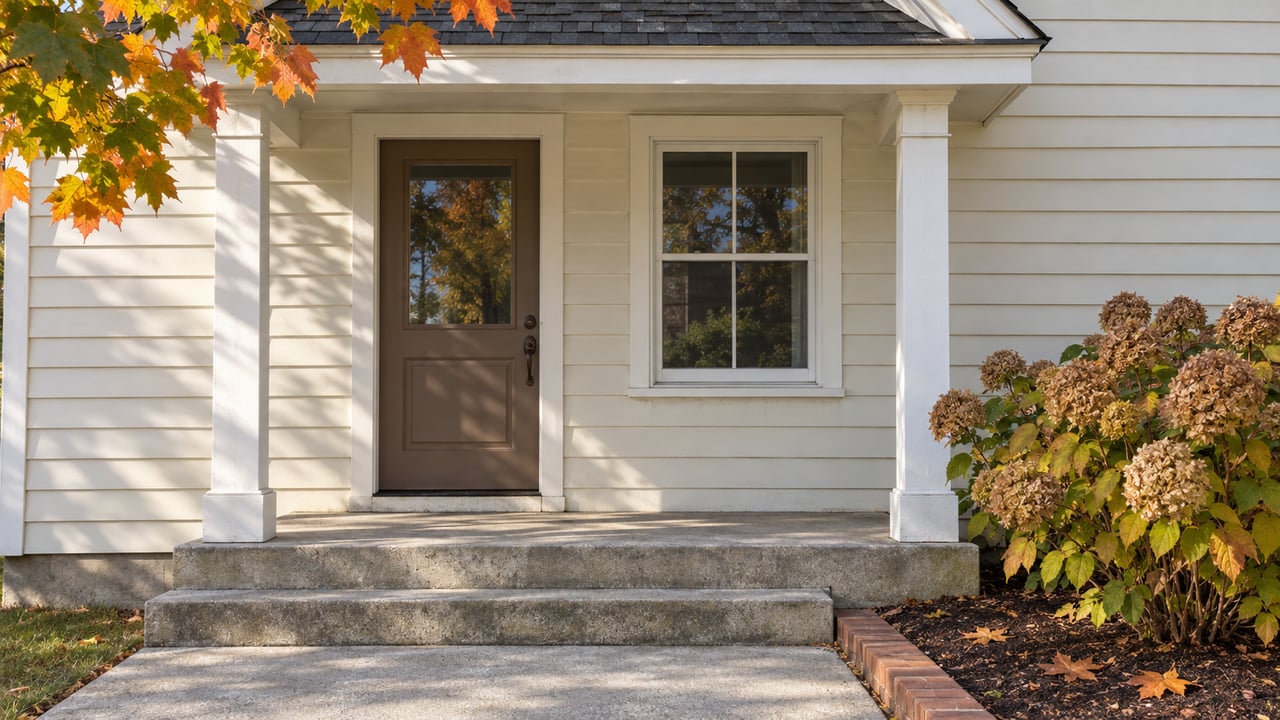
- Refinish or repaint a historic door. If original hardware is missing, choose period-appropriate replacements and use reversible fasteners.
- Consider a compatible storm or screen door that matches the opening’s proportions and can be removed later.
- Swap non-historic light fixtures for historically sympathetic options that fit existing mounts. Favor plug-in or surface-mounted lighting to avoid intrusive wiring.
- Add period-scaled house numbers and a tasteful mailbox or address plaque. Choose sizes and finishes that complement the architecture.
Windows and energy comfort
Original windows are often a defining feature and can perform well with the right care.
- Repair first: weather-strip, reglaze, and fix sash cords. These steps are usually favored over replacement.
- Use interior storm windows or removable exterior storms for energy gains while preserving historic sash.
- If replacement becomes necessary, expect review and choose profiles and muntin patterns that match the originals.
Porches, railings, and trim
Porches sell the story of a historic home. Keep them safe, tidy, and true to their era.
- Repair missing balusters or trim with in-kind materials and matching profiles.
- Use removable fasteners and reversible methods for temporary fixes before larger approved work.
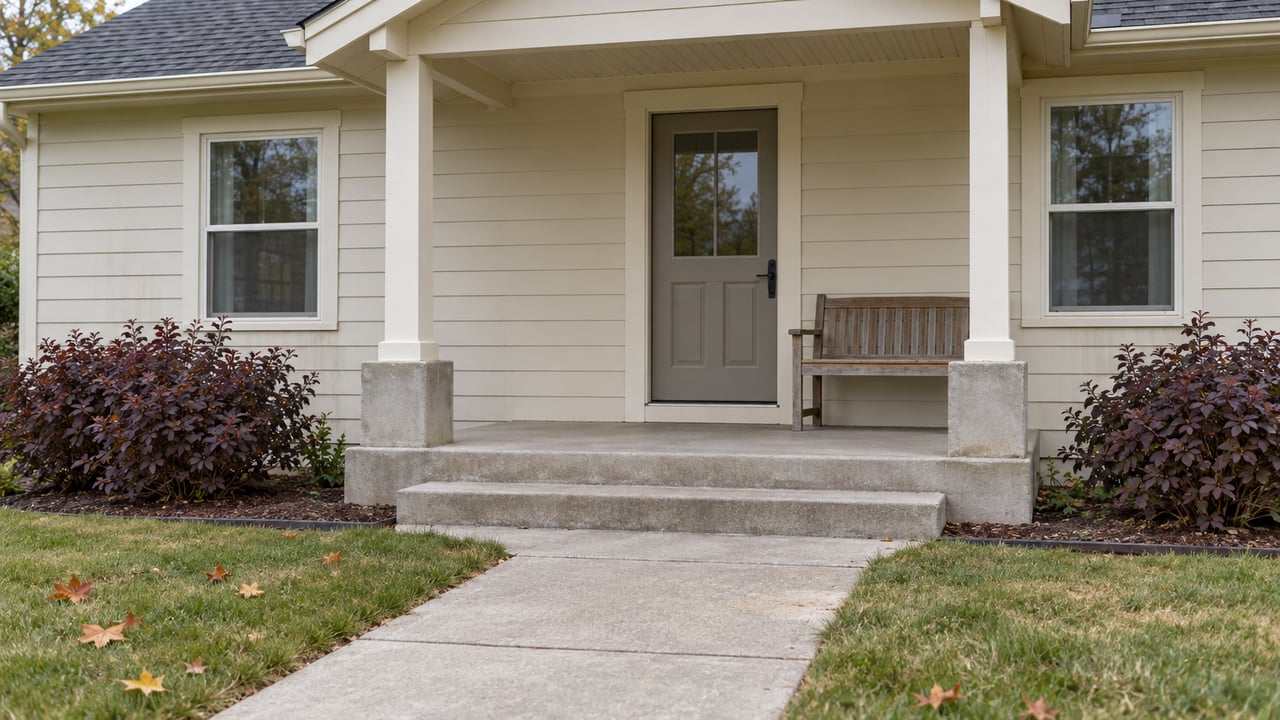
- Keep porch floors, steps, and handrails sound and slip-resistant to signal overall care.
Historic paint made simple
Paint is one of the easiest ways to freshen a home, but it pays to be strategic.
- Confirm whether color changes require approval in your district. Maintenance painting in the same color is often allowed, while full body-color changes may need a Certificate of Appropriateness.
- Use historic color collections as a starting point and test small areas at different times of day. Winona’s light and tree cover can shift how colors read.
- Prioritize limited accents on doors, shutters, and trim for impact without triggering a full review.
Palette ideas by style
- Queen Anne or Victorian: deep cranberry or burgundy for the body, olive or deep green as a secondary, cream or off-white trim, and dark slate or blue accents. Emphasize contrasts on brackets and spindlework.
- Italianate: warm ochre or yellow, terra cotta, olive green, and muted cream for trim. Darker cornice accents with lighter friezes create depth.
- Craftsman or Bungalow: muted natural tones like warm olive, rich brown, deep warm gray, and mushroom or beige trim. Porches often look great with darker columns and balusters.
- Masonry homes: keep original brick unpainted where possible. If you are considering coatings, discuss breathable options and preservation guidance before moving forward.
Maintenance that protects value
Buyers are quick to spot water issues, so prevention matters.
- Ensure gutters and downspouts are clear and carry water away from the foundation.
- Inspect the roof for missing shingles and address them promptly.
- For masonry, use mortar that matches the historic composition rather than high-strength mixes that can damage soft brick.
- For wood, choose rot-resistant species or profiles that match historic elements for any necessary replacement.
Prepare for a smooth HPC review
A little organization goes a long way with the commission.
- Confirm whether your property is in a local historic district and whether your scope needs approval.
- Schedule a pre-application conversation with planning or HPC staff and request any design guidelines for your district.
- Photograph current conditions from the street, including front, sides, and wider context.
- Gather paint chips with manufacturer and color codes, product samples, and contractor quotes.
- Write a brief scope of work that highlights repair in kind and reversibility.
- If using contractors, include their qualifications and examples of historic work.
Two-week punch list for listing readiness
Use this quick-start plan to get market-ready fast.
- Day 1–2: Walk the exterior with a notepad. List safety and water issues first. Photograph before conditions.
- Day 3–4: Clean the façade and porch. Clear gutters and downspouts. Replace bulbs and clean fixtures.
- Day 5–6: Make small porch repairs and tighten hardware. Tidy landscape and frame the entry with planters.
- Day 7–9: Test door and trim colors, then repaint selected accents. Reglaze cracked panes and repair sash cords where needed.
- Day 10–12: Add interior storm windows. Patch missing trim or balusters to match existing profiles.
- Day 13–14: Final pass for touch-ups. Sweep walkways, stage the porch with a small bench or rug, and prep for photography.
Mistakes to avoid
Avoid these common missteps that can slow your sale or risk non-compliance.
- Replacing historic windows without exploring repair and storm options first.
- Painting masonry or changing the primary body color without checking rules.
- Overly aggressive power washing or using hard mortars on soft brick.
- Adding visible fixtures, fences, or additions without confirming review needs.
The bottom line
You can make your historic Winona home shine for buyers with targeted, reversible updates and thoughtful maintenance. By focusing on safety, light, clean lines, and period-appropriate details, you improve first impressions while staying aligned with preservation standards. Start with the quick wins, plan ahead for anything that needs review, and document your choices. You’ll protect your home’s character and your sale timeline.
Ready to plan a listing strategy for your historic home? Schedule a consultation with Julie Delap at @properties La Crosse to map the right upgrades and bring your home to market with confidence.
FAQs
Does National Register status restrict my exterior work?
- National Register listing alone usually does not restrict private owners. Local historic district rules and the municipal HPC typically govern exterior changes.
Do I need approval to repaint the same color?
- Routine maintenance repainting in the same color is often allowed. Full body-color changes may require a Certificate of Appropriateness. Check local rules.
Can I replace historic windows for energy savings?
- Many commissions prefer repair plus storm windows. Full replacement often requires review and should match historic profiles and muntin patterns if approved.
How long does HPC approval take in general?
- Timelines vary. Many commissions meet monthly, and simple staff-level approvals can be quicker. Start early and plan several weeks for review and scheduling.
What touch-ups attract buyers without approval issues?
- Clean, safe, well-lit entries, fresh door and trim paint, tidy landscaping, repaired porch surfaces, and maintained gutters and roof are low-impact and high-return.
Have more questions? Julie is here to help!