Trying to decide between a home near Lake Neshonoc and a place in the village of West Salem? It is a good problem to have, but it can still feel tough when both options offer something different. If you want to narrow the choice with less guesswork, this guide will help you compare lifestyle, upkeep, convenience, and pricing so you can focus on what fits your day-to-day life best. Let’s dive in.
West Salem at a Glance
West Salem is a small village in La Crosse County with an estimated population of 5,116 in 2021. The village’s long-term plan expects more housing growth through 2040, which points to continued interest in the area.
For everyday living, West Salem offers municipal water and sewer service, a library branch, local schools, police, EMS, and a volunteer fire department. The village is also working to strengthen downtown as a community destination, which adds to the appeal for buyers who want a connected small-town setting.
Lake Neshonoc sits right next to the village and the Town of Hamilton, so the two areas are closely tied together. Even so, your daily routine can look very different depending on whether you choose a lake-oriented property or an in-town home.
Lake Neshonoc Living
Why buyers choose the lake
If your dream home includes water views, boating access, or easy recreation, Lake Neshonoc may be the better fit. The lake covers about 600 acres and offers a lifestyle that feels more specialized than a typical village neighborhood.
La Crosse County’s Neshonoc Swarthout County Park at the northwest end of the lake adds to that appeal. It includes a boat ramp, courtesy pier, picnic shelter, playground, and canoe-launch access below the dam, which means the lake is more than a residential backdrop.
The village also plans to maintain public access to the lake where environmentally feasible. Trail planning connects the south side of the lake, Neshonoc Park South, and Neshonoc Beach to wider bike and pedestrian connections, giving the area even more recreational value.
What lake ownership can require
Living near the water can be rewarding, but it often comes with extra responsibility. Around Lake Neshonoc, shoreland ownership and shoreland-adjacent projects may involve more review than buyers expect.
Lake districts are special-purpose governments funded by tax levies or special assessments, and the Lake Neshonoc district’s responsibilities include water quality, aquatic weed control, sediment removal, and water-level maintenance. That means the lake environment is actively managed, not simply left to individual property owners.
West Salem has adopted La Crosse County’s shoreland zoning ordinance. County rules require a shoreland permit for development within 1,000 feet of a navigable lake, and the village’s environmental mapping identifies shoreland zoning, wetlands, flood-hazard areas, and erosion-prone areas around the lake.
In practical terms, that means a shoreline project may involve more than routine landscaping. If you are thinking about changes near the water, it is smart to look closely at drainage, setbacks, erosion concerns, and permit needs before you buy.
Lake pricing is not one-size-fits-all
One of the biggest surprises for buyers is how much lake pricing can vary. On Lake Neshonoc, recent examples ranged from a lakefront townhouse-style condo that sold for $268,000 to a 2006 ranch bordering the lake that sold for $565,000.
That spread shows an important point: a lake address alone does not determine value. Frontage, views, lot size, property type, and overall condition all play a major role in what you will pay.
In-Town West Salem Living
Why buyers choose in-town convenience
If your priority is convenience, in-town West Salem often makes the most sense. The village offers municipal sewer and water, local schools, library service, police, EMS, and fire protection in a setting designed for daily routines.
The transportation network is another draw. The village plan emphasizes access to I-90, State Highway 16, sidewalks, trails, and complete-streets thinking, which can make commuting and local trips more manageable.
The La Crosse River State Trail is used by some riders to commute the 7 miles between West Salem and La Crosse, and the school district says West Salem is about 10 miles north of La Crosse. If you want shorter drives, easier errands, or a simpler weekday routine, in-town living stands out.
More housing options than you may expect
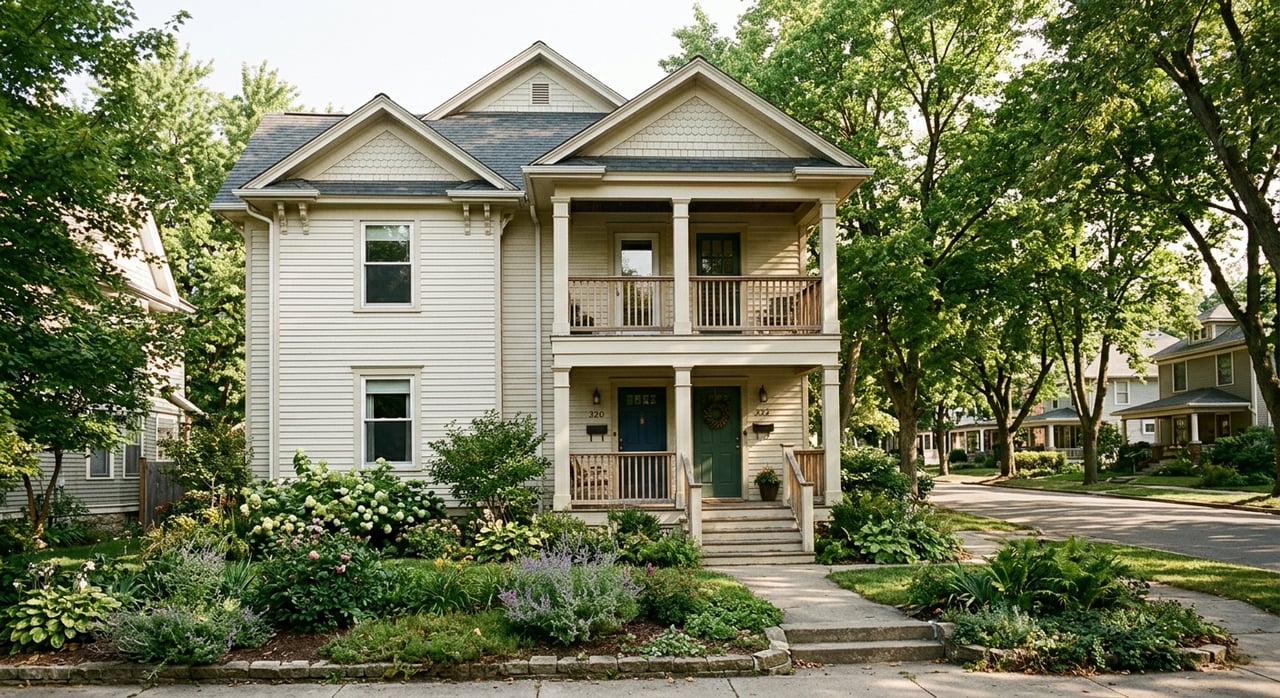
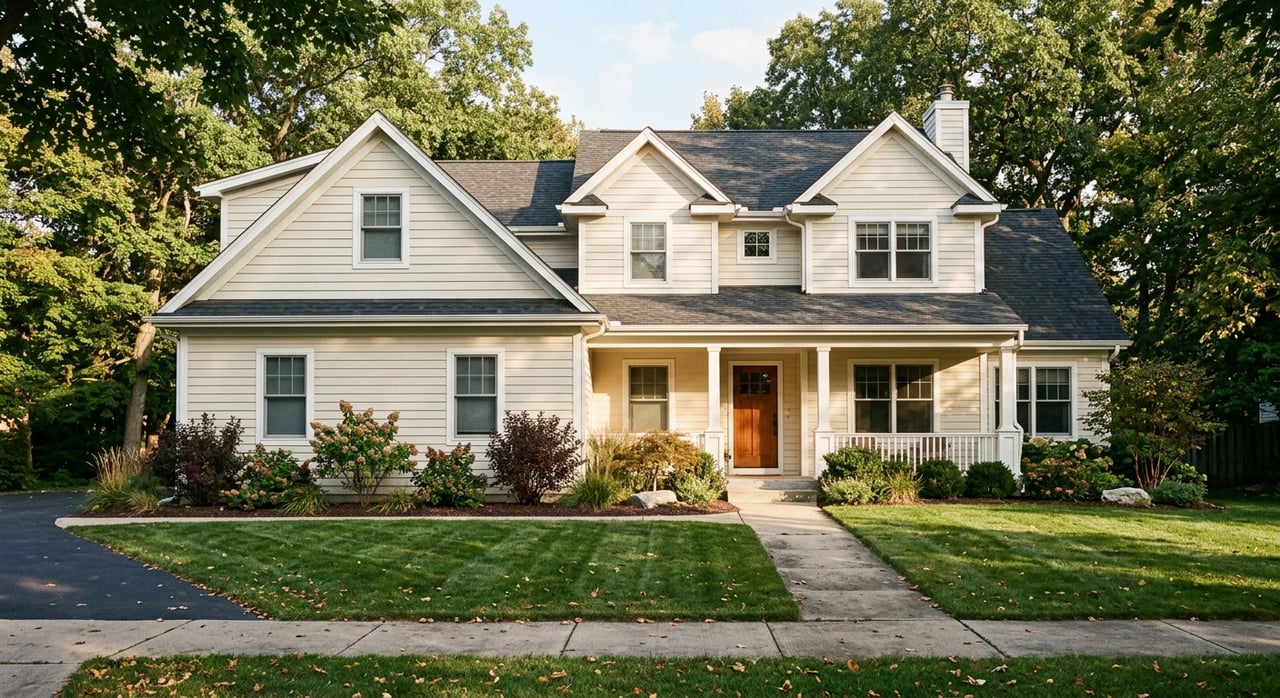
Some buyers assume in-town means limited choices, but West Salem offers a wider mix of housing than many people realize. According to the village plan, single-family detached homes are the most common type, but the village also includes attached homes, multifamily properties, and mobile-home options.
More than 40% of housing units were built since 1990, which adds variety in style and age. Recent in-town listings also show the kind of practical features many buyers want, including garages, fenced yards, and locations close to schools, the library, downtown, Lake Neshonoc, shopping, and restaurants.
A strong fit for everyday access
In-town West Salem also gives you direct access to the village core. The comprehensive plan calls for revitalizing downtown West Salem as a vibrant community destination and improving connections to Lake Neshonoc and the La Crosse River State Trail.
That can be a sweet spot if you want lake access and village amenities without taking on a shoreline parcel. For many buyers, that balance is easier to manage over time.
How the Market Looks Right Now
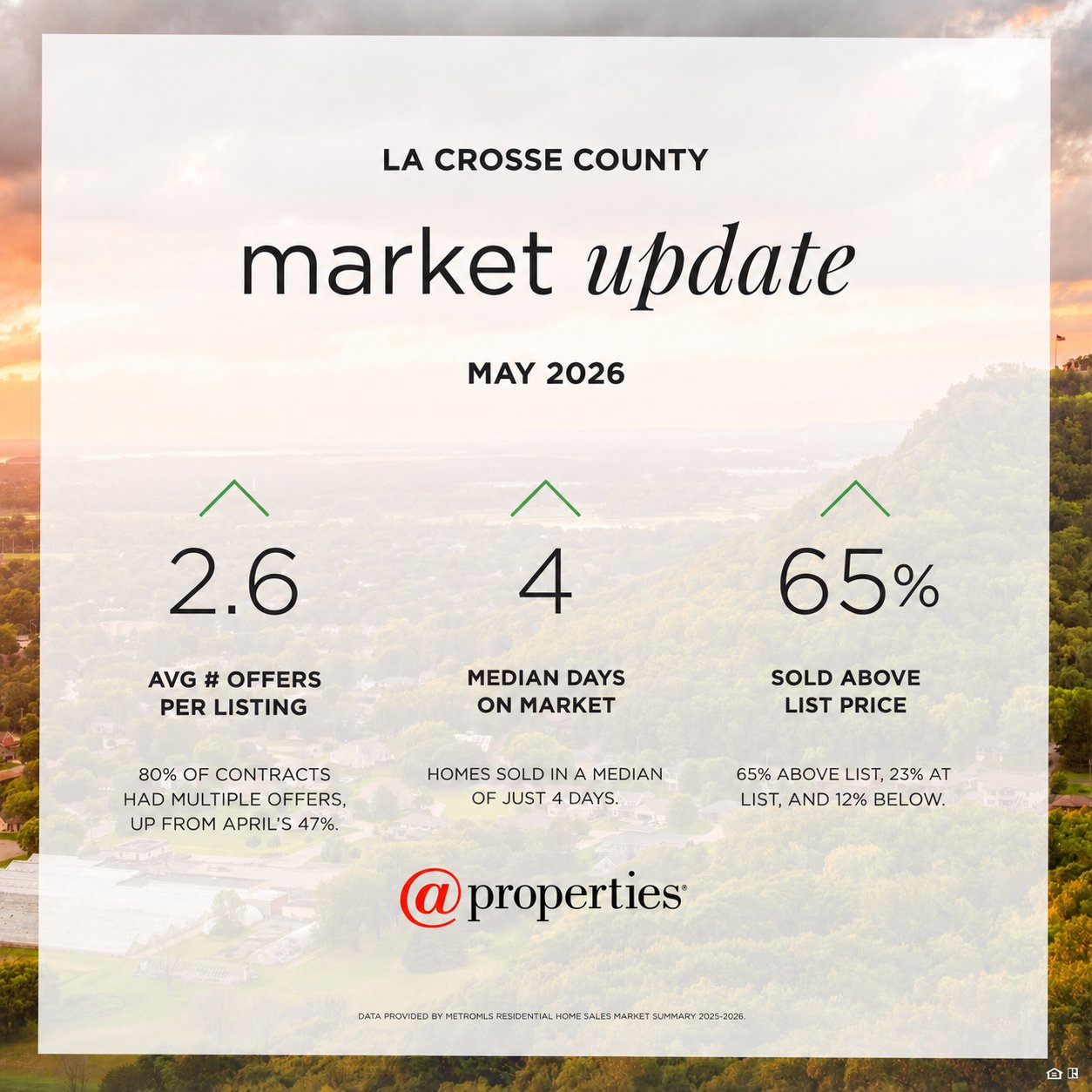
West Salem’s market is currently tight. Over the last three months, Redfin reported a median sale price of $385,000, with homes selling in about 5 days on average.
That pace matters because it can shorten your decision window. If you are comparing a lake property with an in-town home, it helps to be clear on your priorities before the right listing appears.
Recent examples also show the broad range in pricing. In-town sold examples included $285,000 and $335,000, with another in-town listing at $679,900, while lake-area examples ranged from $268,000 to $565,000.
The takeaway is simple: location matters, but it is only one piece of the value picture. Home size, property type, updates, lot characteristics, and setting all shape the final price.
How to Choose Your Spot
Choose Lake Neshonoc if you want
Lake Neshonoc may be the right move if your lifestyle centers on the water. It is often the stronger fit when recreation and setting matter more than simplicity.
Consider the lake if you want:
- Water views as part of your everyday setting
- Easier access to boating, fishing, or paddling
- A property that feels more specialized and location-driven
- A home where proximity to the lake is a top priority
Choose in-town West Salem if you want
In-town West Salem may be the better match if you care most about convenience and routine upkeep. It tends to work well for buyers who want a straightforward day-to-day living experience.
Consider in-town if you want:
- Municipal utilities
- Easier access to schools, downtown, and village services
- More housing variety
- More routine yard and home maintenance expectations
Consider a middle-ground option
You do not always have to choose one extreme or the other. Some buyers find the best answer is an in-town home close to Lake Neshonoc.
Recent listings show that it is possible to live near the lake while still being close to schools, shopping, and downtown. If you want access without direct shoreline responsibilities, that kind of location can offer a very practical compromise.
Questions to Ask Yourself First
Before you start touring homes, it helps to get honest about what matters most in your everyday life. The right answer usually becomes clearer when you compare your routine, not just the photos.
Ask yourself:
- How often will you actually use lake access or water recreation?
- Do you want a more specialized property, or a more straightforward homeownership experience?
- How important are quick trips to schools, downtown, or La Crosse?
- Are you comfortable with possible permit review and environmental restrictions near the shoreline?
- Would living near the lake, rather than on it, give you the balance you want?
The Best Choice Is the One That Fits You
There is no universal winner between Lake Neshonoc and in-town West Salem. The better choice depends on whether you value recreation and waterfront character more, or convenience and simpler upkeep more.
If you want help sorting through the tradeoffs, comparing available homes, or figuring out which part of West Salem matches your goals, Julie Delap can help you move forward with local insight and clear guidance.
FAQs
How is Lake Neshonoc different from in-town West Salem for daily living?
- Lake Neshonoc is generally a better fit if you want water access, views, and recreation, while in-town West Salem is often a better fit if you want convenience, municipal utilities, and easier daily routines.
What should buyers know about Lake Neshonoc shoreline property rules?
- Buyers should know that development within 1,000 feet of a navigable lake may require a shoreland permit under La Crosse County rules, and shoreline areas may involve added review related to setbacks, drainage, erosion, wetlands, or flood-hazard concerns.
What amenities does in-town West Salem offer homebuyers?
- In-town West Salem offers municipal sewer and water, local schools, library service, police, EMS, fire protection, access to major roads, and connections to sidewalks and trails.
How competitive is the West Salem housing market right now?
- Recent market data showed a median sale price of $385,000 over the last three months, with homes selling in about 5 days on average, which suggests buyers should be ready to act quickly.
Can you live near Lake Neshonoc without owning shoreline property?
- Yes, recent in-town listings show that some buyers can live close to Lake Neshonoc while also staying near schools, shopping, downtown, and other village amenities.
What types of homes are available in West Salem?
- West Salem includes single-family detached homes as the most common housing type, along with attached homes, multifamily options, and mobile-home options.