Thinking about selling your La Crosse character home and not sure where to start? You are not alone. Older and historic-style houses are special, and the right prep, pricing, and positioning can make a real difference in your final sales price and days on market. In this guide, you will learn what to do first, how to set a smart price for a one-of-a-kind property, and how to market your home to buyers who value authenticity. Let’s dive in.
Know your La Crosse market
Citywide, typical home values in La Crosse sit in the mid $200,000s, but character homes do not always follow the averages. Historic pockets near Downtown, including the 10th and Cass area, often command higher prices per square foot because buyers seeking original detail cluster in these neighborhoods. That means data tools are helpful for expectations, but they are not enough to set a final list price for a unique property.
Pull recent sales within the last 6 to 12 months and focus on nearby homes with similar age, style, and updates. Document any historic designation or notable architecture using resources like the Wisconsin Historical Society’s records, which can add credibility to your narrative when you list. For example, you can reference documented properties in the 10th and Cass area using the Society’s property record archive.
Legal and safety must-dos first
Before you think about paint colors or staging, handle your legal disclosures and health and safety items. Doing this early protects you and builds buyer confidence.
- Complete the Wisconsin Real Estate Condition Report. Most residential sellers must provide this state form within the required timeframe. Get familiar with what you must disclose using this summary of the Wisconsin Real Estate Condition Report.
- Follow federal lead-based paint rules for pre-1978 homes. You must provide buyers the EPA and HUD lead brochure, disclose known information, and allow a 10-day inspection period unless waived. Review the official EPA lead brochure and plan to share any past lead tests you have.
- Confirm permit needs with the City early. Exterior work that changes windows, porches, mechanicals, or footprints often requires approval. Start at La Crosse’s Building and Inspections page to avoid delays later.
- Test for radon. Radon testing and mitigation are common in Wisconsin, and many buyers expect it. Review state guidance through the Wisconsin radon program and consider providing a recent test result.
Fix the big-ticket items buyers scrutinize
Buyers of older homes love character, but they will discount heavily for unresolved system risks. Tackle or document the items below before listing.
- Structural and water issues. Address active leaks, foundation concerns, and any rotten framing. If you choose not to fix, obtain professional evaluations and estimates to include in your listing packet.
- Electrical safety. Knob-and-tube wiring, overloaded panels, or unsafe splices can trigger lender or insurer concerns. Have a licensed electrician assess and provide a report.
- Aging HVAC and hot water systems. If these are near end-of-life, either replace or get bids. Buyers will mentally subtract replacement costs if you cannot show recent service or lifespan.
- Sewer and plumbing. On older lines, a sewer scope before listing can save you from a late surprise. If issues are found, share bids and options with buyers.
Providing receipts, permits, and dated trade reports reduces the “unknowns” that lead to large credit requests.
Preserve what makes it special
Character buyers pay for authenticity. Your goal is to make the home feel solid and loved while letting original details take center stage.
- Clean and conserve original materials. Refinish hardwood floors, repair plaster, and retain millwork whenever feasible. Local preservation groups can help you match materials and find contractors. The Preservation Alliance of La Crosse is a helpful starting point.
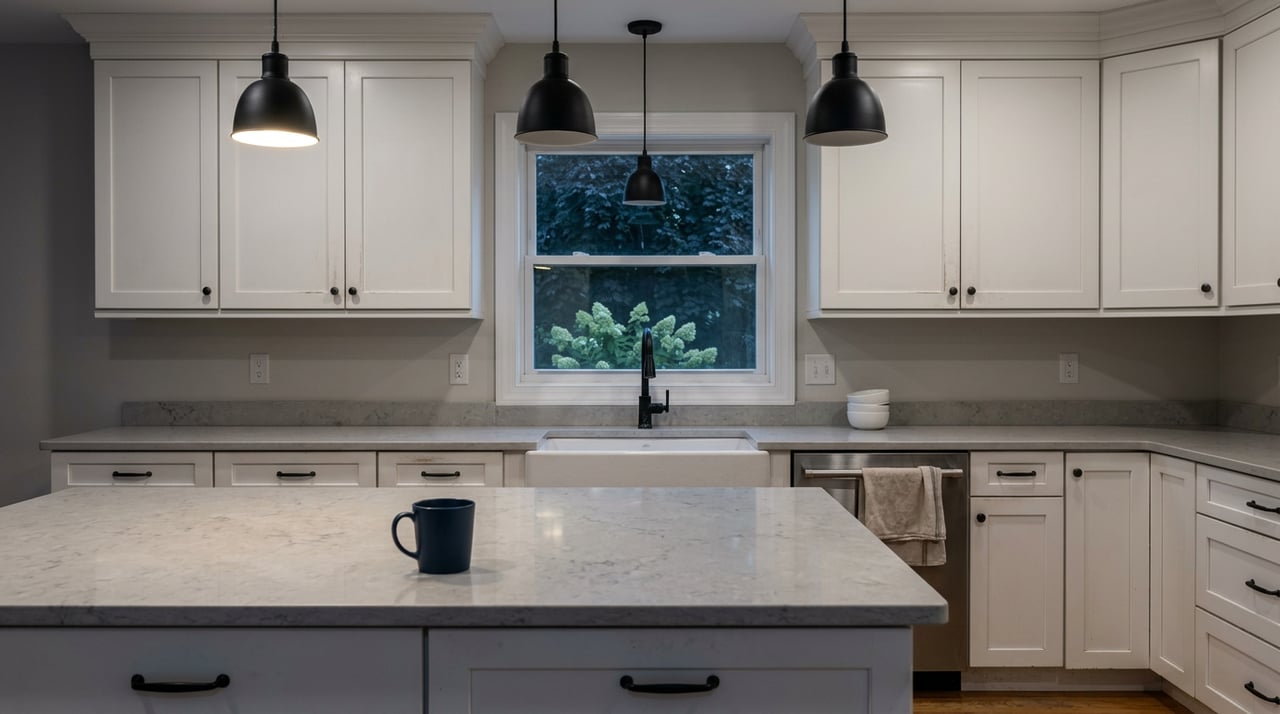
- Keep kitchen and bath updates sympathetic. Many buyers prefer modest, well-chosen refreshes over a full-style departure. Think new counters, hardware, and lighting that complement the home’s era. Keep receipts and note installation dates.
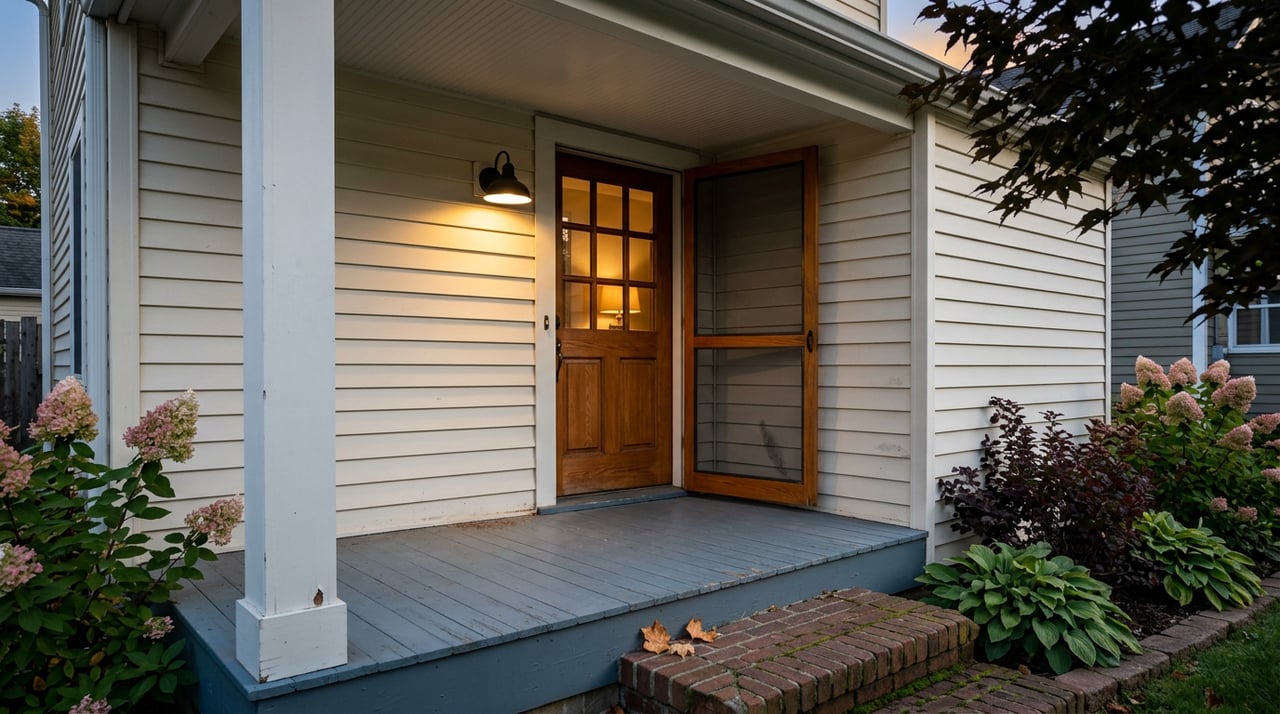
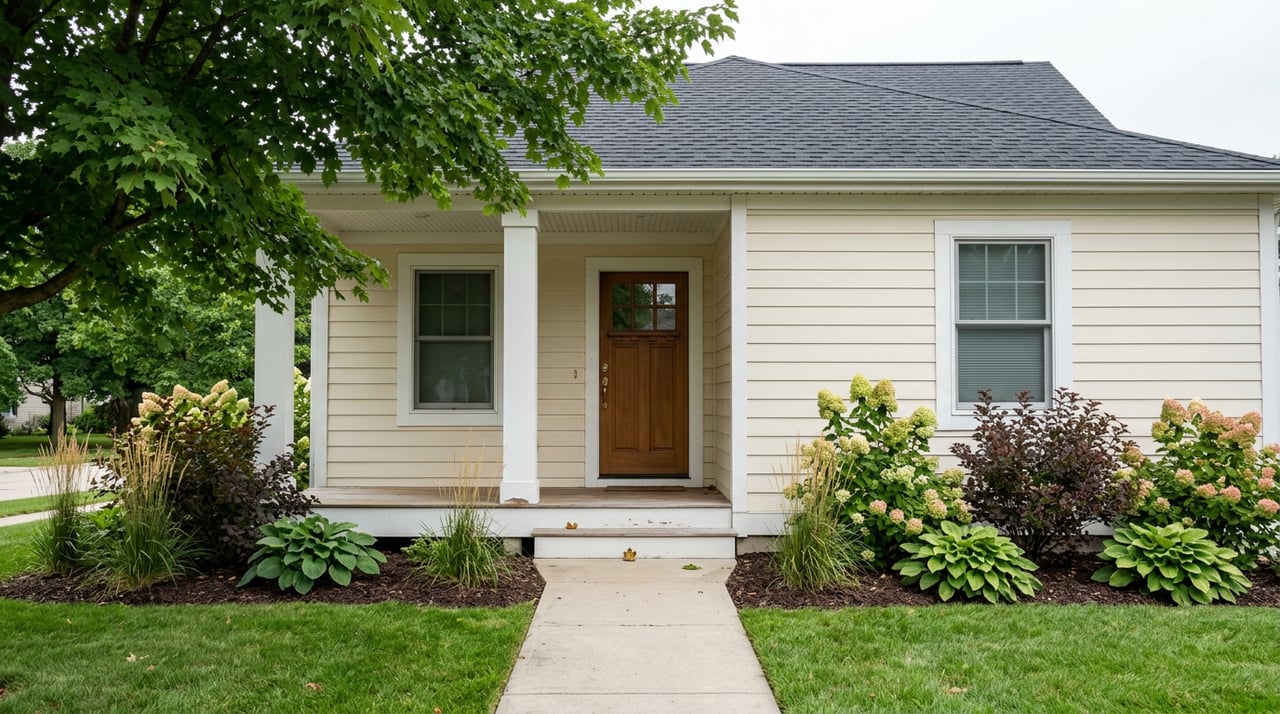
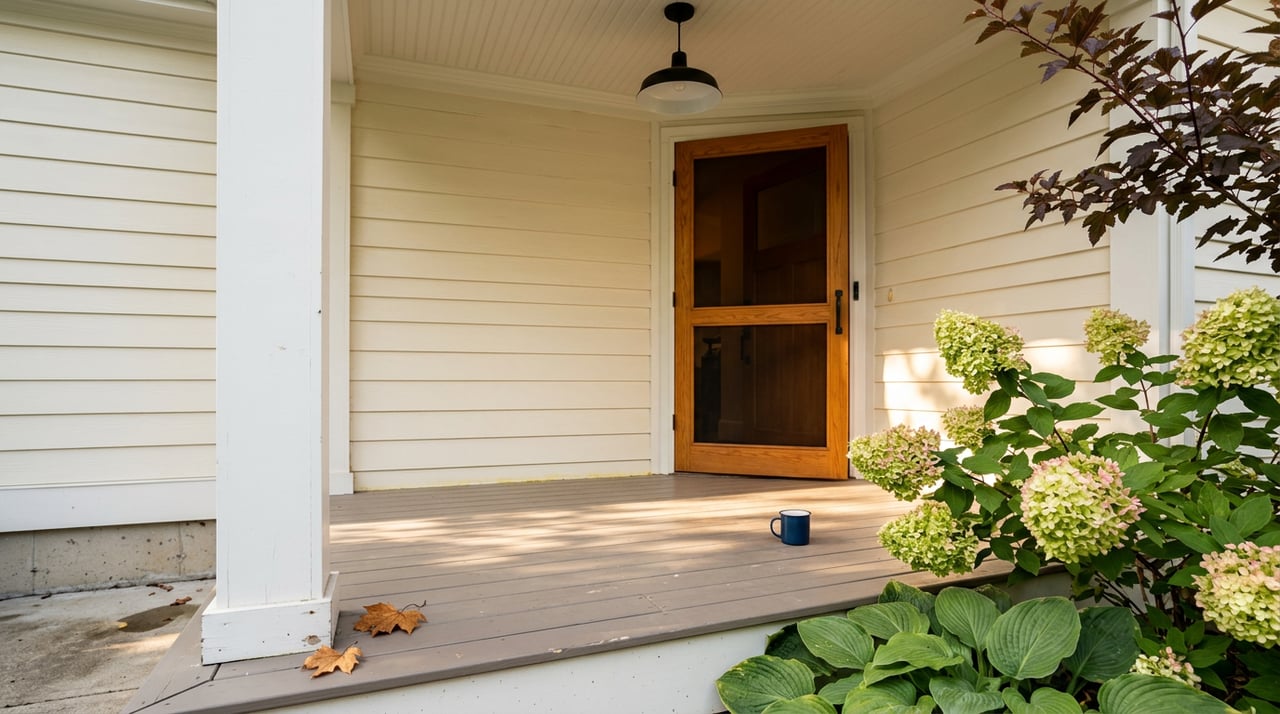
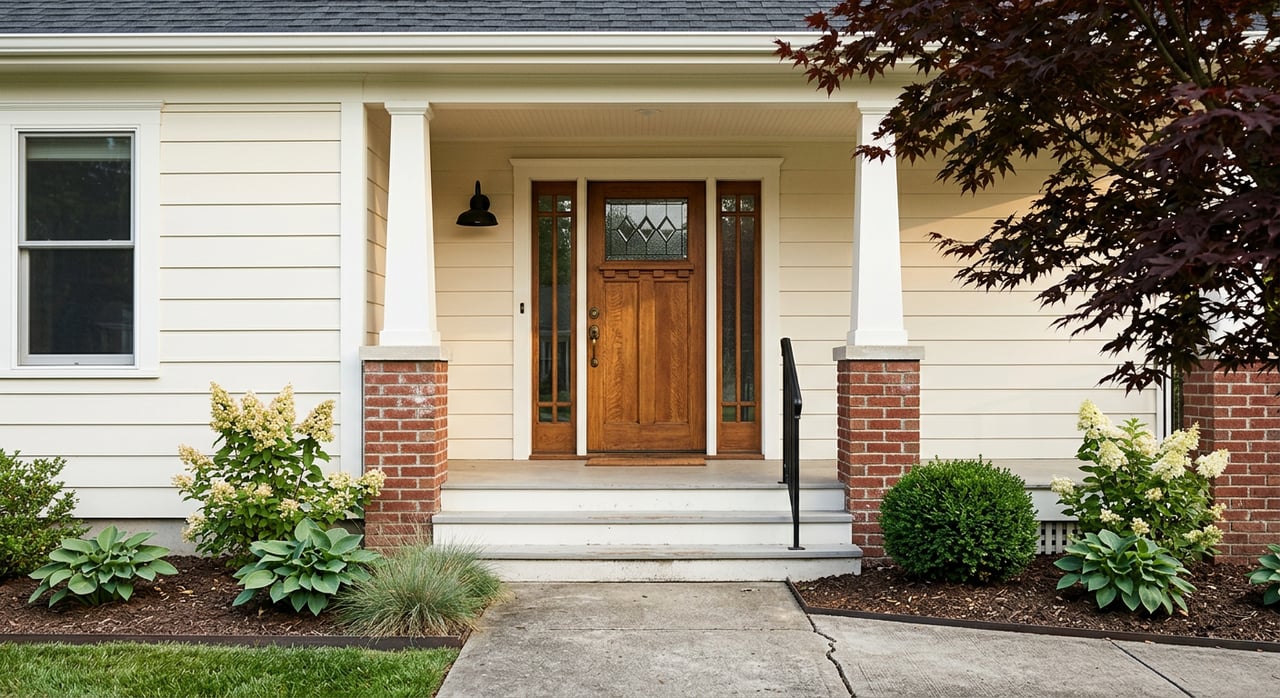
- Boost curb appeal. Repaint trim and the front door, fix steps and railings, tidy landscaping, and clear the roofline. Small exterior touches can have an outsized effect on first impressions.
Consider pre-listing inspections and appraisal
A pre-listing home inspection and targeted tests for radon, sewer, or lead help you get in front of issues and price with clarity. When comparable sales are thin, a pre-listing appraisal can also be smart. It provides a third-party opinion that supports your pricing and gives you a roadmap for buyer conversations. Learn how appraisals work and what to expect with this overview of a pre-listing appraisal.
Price a one-of-a-kind property
Pricing a character home is different when there are few true comps. Appraisers often weigh the Sales Comparison, Cost, and sometimes Income approaches, then explain how they reconciled the value. Understanding that process helps you set a list price with confidence. If you are curious about how appraisers think, review the Appraisal Institute’s guidance on how appraisers reconcile value.
Here is a practical approach that works in La Crosse:
- Start with a local CMA from an agent experienced in historic and older homes. Include both nearby historic sales and adjusted non-historic comps when needed. If comps are scarce, validate with a pre-listing appraisal.
- Use layered pricing. Set a market-realistic opening price to attract showings, and leave room for negotiated credits if you are disclosing big-ticket items. If your systems are updated and your finishes are move-in ready, you can justify a premium.
- Document everything. Organize receipts, permits, service records, inspection reports, and any historic property records. Hand this to buyer agents during showings and include highlights in the listing.
- Decide on “as preserved” versus “restoration opportunity.” If your home is turn-key with sympathetic updates, market it that way. If major restoration remains, present it honestly and reach preservation-minded buyers who value authenticity.
Show and tell the story
Professional presentation is essential for older homes. Invest in high-quality photos that combine wide shots with detail images of moldings, inlays, stained glass, built-ins, and mantels. A measured floor plan helps buyers understand flow and scale. According to NAR’s profile of home staging, quality photos and thoughtful staging can materially increase buyer interest.
Stage with a transitional look. Choose neutral, contemporary furnishings that let original woodwork and architecture shine. Avoid heavy period props that can make rooms feel like a museum. If you use virtual staging, always disclose it in the listing notes.
Tell the house story in your listing. Include the year built, architectural style, notable original features, any known architect or owner history, and whether there is local historic-district oversight. Link to credible sources, such as the Wisconsin Historical Society’s property record, to support architectural details.
Expand your reach to specialty buyers. In addition to MLS exposure, share your listing through local preservation circles, targeted email lists, and groups that follow restored homes. The Preservation Alliance of La Crosse hosts programs and has visibility with enthusiasts who value character.
Local resources for La Crosse sellers
- La Crosse Building and Inspections for permits and exterior work rules: City of La Crosse
- Preservation contacts, events, and referrals: Preservation Alliance of La Crosse
- Architectural records and designation details: Wisconsin Historical Society
- Radon testing and mitigation guidance: Wisconsin DHS Radon Program
A simple prep checklist
Follow this order to reduce stress and protect your price:
- Order a pre-listing inspection and targeted tests as needed. Prioritize radon, sewer scope, and lead testing for older homes. Keep all reports organized.
- Complete your Wisconsin Real Estate Condition Report and gather permits, receipts, and any past inspection summaries. Share the RECR guidance with anyone helping you prep.
- Repair or document safety and system items. Address roofing leaks, foundation issues, unsafe wiring, and major plumbing concerns. If you do not fix, obtain dated estimates from licensed pros.
- Stage and photograph. Hire a professional photographer and request a floor plan. Use transitional staging that highlights original detail.
- Build a property history packet. Include a one-page feature sheet with dates of major work, permits, test results, and notes on any historic-district restrictions.
Partner with a local pro who understands character homes
Selling a vintage or historic-style property in La Crosse is part science and part storytelling. You need pricing that reflects both the market and your home’s uniqueness, and you need marketing that reaches the right buyers. As a seasoned, locally rooted agent with 300 plus closed transactions since 2014 and a background in banking and legal support, Julie brings the hands-on strategy and modern distribution your home deserves. From pre-listing prep and valuation to premium photography and narrative-rich marketing, you will get boutique, responsive service backed by @properties La Crosse.
If you are considering a sale in the next 3 to 12 months, start with a pricing and prep consult tailored to your house and neighborhood. Schedule a conversation with Julie Delap to chart the best path forward.
FAQs
What lead disclosures apply if my La Crosse home was built before 1978?
- Federal law requires giving buyers the EPA and HUD lead brochure, disclosing any known lead information, and allowing a 10-day inspection period unless waived. See the official EPA lead brochure for details.
How should I price a historic or character home with few comps in La Crosse?
- Combine a local CMA from an agent experienced with older homes and a pre-listing appraisal when comps are scarce, and organize documentation so appraisers and buyers can clearly see value drivers. Review how appraisers reconcile value with the Appraisal Institute’s guide notes.
Do I need permits for exterior work on a La Crosse historic property?
- Many exterior changes, window work, porch repairs, and mechanical updates require permits. Confirm needs early with La Crosse Building and Inspections to avoid delays and ensure compliance.
Will historic designation help or hurt my sale price?
- It can attract preservation-minded buyers who value authenticity and may support a premium, but it may narrow the buyer pool for those wanting unrestricted renovation. Make the tradeoffs clear and document any incentives such as state historic tax credits.
Is a pre-listing inspection worth it for an older home in La Crosse?
- Yes. It helps you price accurately, address major items in advance, and reduce last-minute negotiation surprises. Include radon, sewer scope, and lead testing when appropriate, and share results with buyers.
What staging style works best for a La Crosse character home?
- Use neutral, contemporary furnishings that highlight original woodwork and architectural lines. According to NAR’s staging profile, quality staging and photos can increase buyer interest.