You can learn a lot about Winona real estate just by looking up at the rooflines. In a city shaped by the Mississippi River, wooded bluffs, and a deep historic legacy, the homes you see on the market often reflect a wide mix of eras and styles. If you are trying to make sense of listing photos or decide which kind of home fits your lifestyle, this guide will help you spot the architectural styles that show up most often in Winona. Let’s dive in.
Why architecture stands out in Winona
Winona is not a market where most homes were built recently. According to the city’s 2024 baseline report, more than 40% of housing units were built before 1940, while only about 325 units were added between 2010 and 2019. Detached single-family homes also make up 60.8% of the housing stock, so if you are shopping here, you are likely to see a lot of older standalone homes.
That older housing base is part of what gives Winona its character. The city notes that it has one of the largest collections of historic buildings outside the Twin Cities, and three major historic districts help keep that architectural history visible in everyday life. For buyers, that means style is not just a design detail. It is often part of how you narrow your search.
Historic homes you will notice first
Queen Anne homes
If you picture a classic ornate Victorian home in Winona, you are probably picturing Queen Anne. This style is especially prominent in the Windom Park residential district, where local preservation records identify it as the most recognized style. These homes tend to feel detailed, expressive, and visually busy in the best way.
You may notice features like steep rooflines, bay windows, wraparound porches, varied exterior textures, and sometimes a turret or corner tower. The floor plans and exteriors are often irregular rather than perfectly balanced. If you love character and standout curb appeal, Queen Anne homes usually catch your eye quickly.
Colonial Revival homes
Colonial Revival gives you a different look and feel from Queen Anne. In Winona, this style is also common in historic residential areas, but it reads as more formal and symmetrical. Where Queen Anne feels ornate and playful, Colonial Revival often feels orderly and classic.
You might see a centered front door, evenly spaced windows, and details like columns, pilasters, pediments, sidelights, or fanlights. These homes can appeal to buyers who want historic charm but prefer cleaner lines and a more balanced exterior. In listing photos, they often feel a little calmer and more structured.
Italianate influences
Italianate architecture shows up strongly in downtown Winona’s historic commercial buildings, where many structures date from 1857 to 1916. While buyers are more likely to encounter Italianate as part of the city’s broader visual identity than as the most common residential style, it still matters when you are getting to know the local market.
This style helps explain why downtown Winona feels so distinctive. The city’s historic core includes one of Minnesota’s strongest collections of Victorian commercial architecture on the Mississippi. Even if you are shopping for a home rather than a downtown property, that setting shapes how Winona feels as a place.
Everyday homes with practical appeal
Craftsman bungalows
Not every older home in Winona is grand or ornate. Craftsman bungalows are part of the city’s everyday housing vocabulary and often appeal to buyers who want charm at a more approachable scale. These homes usually offer strong curb appeal without the complexity of larger Victorian-era houses.
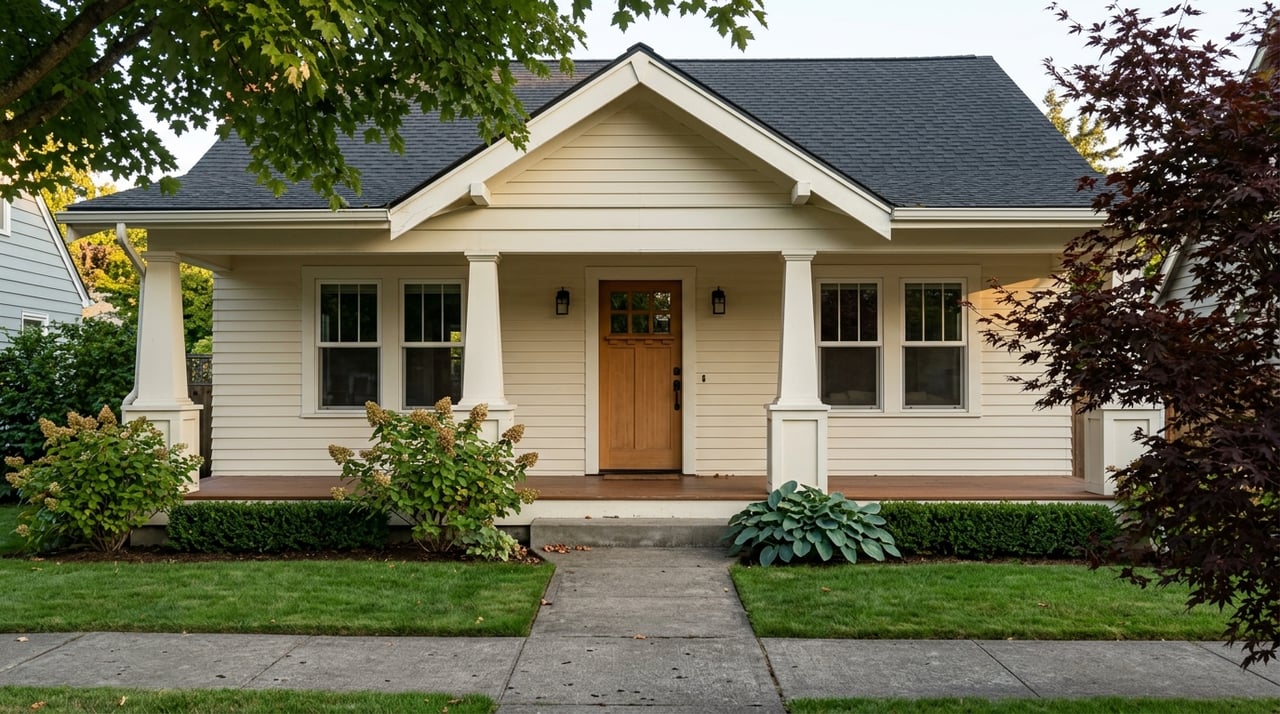
A Craftsman bungalow is often one to one-and-a-half stories with broad front-facing gables, a large covered porch, and details like exposed rafters or brackets. Natural-looking materials and modest ornament are common. If you want a home with personality, a porch-centered presence, and manageable size, this style may be a great fit.
Half-lot houses
One of Winona’s more distinctive housing types is the half-lot house. The city’s comprehensive plan identifies these homes as an important part of East End heritage and notes that they were built by Polish immigrants, often on 25-foot lots. They commonly use a shotgun-style layout, which can affect how the space functions.
For buyers, these homes can offer an opportunity to own a piece of local history. At the same time, their narrow lots and layout can make renovations or major updates more complicated. If you are considering one, it helps to look closely at room flow, storage, and how previous owners have handled updates.
Cape Cod and similar early plans
Winona’s planning documents also reference Cape Cod plan books as part of the city’s housing conversation. While the research here does not go into defining features in depth, the key takeaway is that practical early-20th-century house forms are part of what buyers may encounter across the market.
These homes often appeal to shoppers who want something traditional, familiar, and more understated than a highly decorative historic property. In a market like Winona, they fit into the broader mix between ornate older homes and simpler postwar construction.
Mid-century homes and ramblers
If your style leans simple and functional, you may find yourself drawn to ranches or ramblers. In Winona, mid-century homes are more likely to show up in these forms than as highly stylized modernist houses. That makes them a useful option for buyers who want easier everyday living and less exterior ornament.
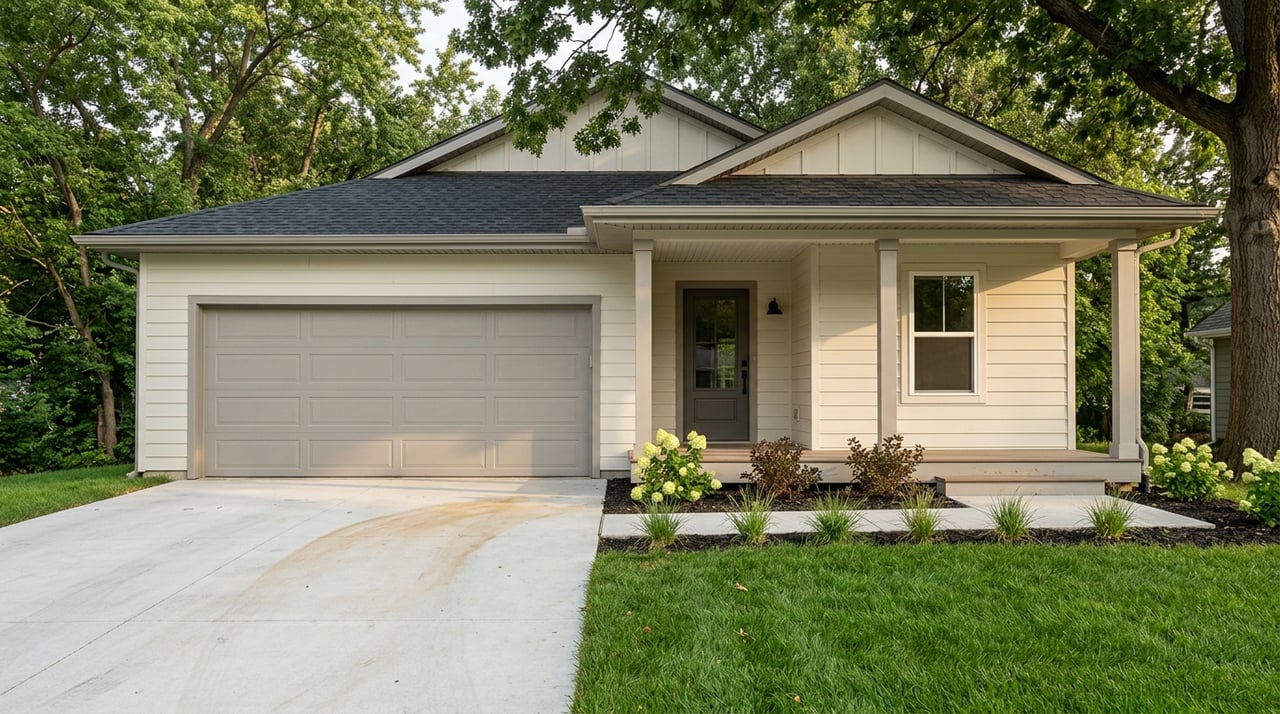
Ranch or rambler homes typically feature low-pitched roofs, a horizontal layout, larger windows, and more open interior flow. Attached garages or carports may also be part of the design. In practical terms, these homes often feel more casual and straightforward than older multi-story houses.
For some buyers, that simplicity is the appeal. A rambler can offer a layout that feels easier to navigate, along with a cleaner exterior look. If you are comparing styles, this is often where buyers shift from historic character to convenience and flexibility.
Prairie School and other notable influences
Prairie School is not the most common style you will see in Winona listings, but it is still part of the city’s architectural vocabulary. The city highlights Prairie School examples, and local historic references also point to Prairie School and Chicago School landmarks. That means the style has a real place in how Winona talks about architecture.
For buyers, this is less about expecting to tour one every weekend and more about understanding the local design backdrop. In a city with such a strong historic identity, even the less common styles help shape the market’s personality. Knowing the term can also help you interpret listing descriptions more confidently.
How bluffs and the river shape homes
In Winona, architecture is only part of the story. Geography matters too. The city is surrounded by bluffs and water, and public planning documents note that open space and wooded areas follow the bluff lines.
That means some homes are defined as much by their site as by their style. A house may stand out because of its placement on a slope, its view of the Mississippi River valley, or the way it relates to the bluff landscape. In those cases, buyers are often choosing not just a floor plan or design, but a setting.
You may also hear about the bluffland protection overlay when looking at certain properties. That local land-use context can matter when a home sits near sensitive terrain. It is one more reason why local guidance is helpful when you are comparing homes in different parts of Winona.
What newer construction looks like in Winona
If you are hoping for newer construction, you will find it, but it is not the dominant story in this market. The city’s recent housing data shows limited new production compared with the large number of older homes, and planning documents describe newer development more as infill, mixed housing, and traditional-neighborhood building than large-scale suburban expansion.
That matters because “newer” in Winona may not mean endless subdivisions of lookalike homes. It may mean a newer home tucked into an existing area, a mixed housing development, or housing that fits into the city’s established pattern. If you want newer finishes with a more connected in-town feel, that can be a plus.
Historic district details buyers should know
If you are considering a home in one of Winona’s historic districts, it is smart to understand what that can mean long term. The city’s Heritage Preservation Commission reviews exterior work using local design guidelines and the Secretary of the Interior’s Standards. However, ordinary maintenance and in-kind repairs generally do not require permission.
For many buyers, this is not a reason to avoid a historic property. It is simply part of informed decision-making. If you love a home’s historic exterior but think you may want to make visible changes later, it is worth asking early about the review process and whether a Certificate of Appropriateness could be needed.
How to read listing language in Winona
When you browse listings in Winona, a few style terms can help you read between the lines. Here are some of the most useful ones to know:
- Queen Anne: ornate, asymmetrical, and highly detailed
- Colonial Revival: balanced, formal, and symmetrical
- Italianate: part of Winona’s Victorian architectural identity, especially downtown
- Craftsman bungalow: smaller scale, porch-focused, and full of charm
- Rambler or ranch: low-profile, simpler detailing, and practical flow
- Half-lot house: narrow-lot historic home, often with a shotgun-style layout
- Historic district: may involve exterior review standards
- Certificate of Appropriateness: local approval that may be required for certain exterior changes
The more familiar you are with these terms, the easier it becomes to sort listings by what actually fits your goals. Style can tell you a lot about layout, upkeep, renovation complexity, and how a home may live day to day.
Finding the right style for you
The best home style is not about what looks impressive in photos. It is about how you want to live. You may love the porch and detail of a Craftsman bungalow, the statement-making exterior of a Queen Anne, or the simpler layout of a rambler.
In a market like Winona, those choices carry real weight because the housing stock spans so many eras. Understanding the local architectural mix can help you shop with more confidence and fewer surprises. When you know what you are looking at, it becomes much easier to identify the homes that truly fit your budget, priorities, and future plans.
If you want help sorting through Winona homes by style, location, and everyday livability, Julie Delap can help you narrow the search and move forward with confidence.
FAQs
What architectural styles are most common in Winona homes for sale?
- Buyers in Winona are likely to see older homes first, especially Queen Anne, Colonial Revival, Craftsman bungalow, half-lot houses, and ranch or rambler-style homes.
What does Queen Anne style mean in Winona real estate?
- In Winona, Queen Anne usually refers to an ornate historic home with an irregular shape, steep rooflines, bay windows, varied textures, and often a large porch or turret.
What is a half-lot house in Winona?
- A Winona half-lot house is a historic home type associated with the East End, often built on a 25-foot lot with a narrow, shotgun-style layout.
Are newer homes common in Winona, Minnesota?
- Newer homes exist in Winona, but the market is still dominated by older housing, with more than 40% of housing units built before 1940 and limited construction added from 2010 to 2019.
What should buyers know about Winona historic districts?
- If you buy in a Winona historic district, some exterior changes may be reviewed by the city’s Heritage Preservation Commission, while ordinary maintenance and in-kind repairs generally do not require permission.
How do bluffs and river views affect homes in Winona?
- In Winona, some homes are shaped as much by their site as by their architectural style, with bluff placement, slope, wooded surroundings, and Mississippi River valley views influencing the property’s appeal and setting.