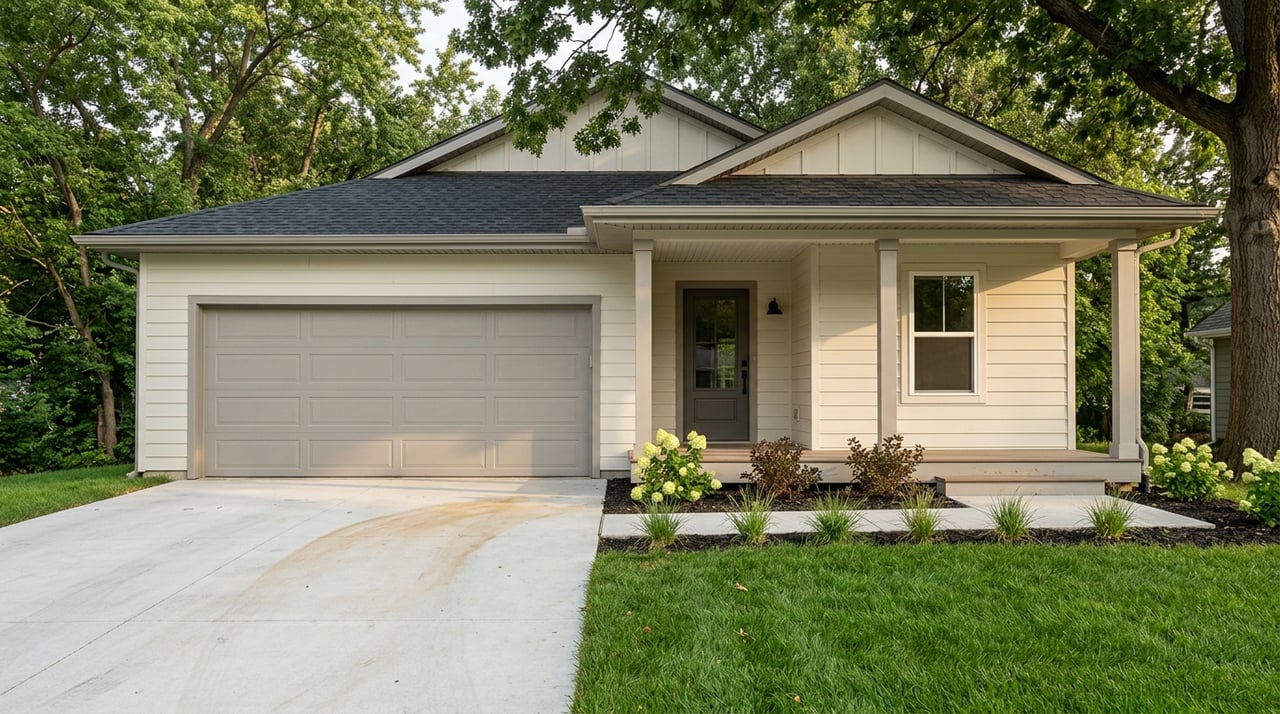
Thinking about building a home in Holmen? It can be an exciting path, but it is also a different process than buying an existing home. Between choosing a lot, reviewing village requirements, planning for permit fees, and lining up financing, you have more moving pieces to track. The good news is that once you understand the steps, the process feels much more manageable. Let’s dive in.
Why New Construction Matters in Holmen
Holmen is planning for continued growth, and that makes new construction especially relevant for local buyers. The village’s 2025 comprehensive planning materials show a focus on expanding housing options, supporting a range of lot sizes, and coordinating future neighborhoods with utilities, roads, and public services.
That matters if you are trying to buy in Holmen and want something newer, more customizable, or better aligned with your needs. It also means the build-to-buy process is tied closely to local planning, zoning, and infrastructure, not just your builder’s timeline.
What “Build-to-Buy” Really Means
In simple terms, build-to-buy means you are purchasing a home that will be built rather than buying one that is already finished. Sometimes you choose a lot first and then select a floor plan. In other cases, you may work from a builder’s existing homesites and approved plan options.
Compared with buying an existing home, new construction gives you more say in the final product. At the same time, you need to account for contract terms, village approvals, permit timing, construction scheduling, and the final occupancy process before you can move in.
Start With the Lot
The lot is not just where the house will sit. In Holmen, the lot can affect what type of home can be built, how the exterior needs to look, and what kind of zoning review may be required before a building permit is issued.
Holmen’s zoning code includes multiple residential districts, design overlay districts, and review by the Site Plan and Architectural Review Board in some cases. Buyers should also confirm practical details like utility availability, setbacks, and whether wellhead protection rules affect the property.
Before you commit to a lot, it helps to ask clear questions such as:
- Is municipal water and sewer available now?
- Are there setback limits that affect the house footprint?
- Does the lot fall in a design overlay area?
- Are there drainage, grading, or erosion-control requirements?
- Are there any wellhead-related restrictions to know about?
This early due diligence can save you from choosing a lot that does not fit your goals or your preferred floor plan.
Builder Contract Comes Next
Once you have the right lot, the next major step is finalizing the builder agreement. This is where many buyers focus on finishes and upgrades, but the contract details matter just as much as the design selections.
You will want to understand what is included in the base price and what counts as an upgrade or allowance. It is also smart to ask how change orders are handled, how pricing is approved, and what happens if timelines shift during construction.
A few questions are especially important:
- How much earnest money is required?
- Under what conditions is the deposit refundable?
- What is the target completion date?
- What happens if construction is delayed?
- What warranty comes with the home, and what is excluded?
If you are adding separate work or later improvements outside the main purchase contract, Wisconsin DATCP advises getting guarantees in writing, avoiding final payment until work is complete and satisfactory, and requesting lien waivers when making payments on contractor work.
Financing a New Build Works Differently
Financing new construction is often more complex than financing an existing home. Depending on the structure, you may use a short-term construction loan or a construction-to-permanent loan that converts into a traditional mortgage if the loan terms allow.
Construction loans often fund the build in stages and may carry different rates and requirements than a standard mortgage. A builder may also ask for an upfront deposit, so you should ask exactly when and how that money could be returned if the transaction does not move forward.
If the builder has a preferred lender, remember you can still compare options. Shopping lenders can help you better understand rates, credits, closing costs, and whether the financing structure really fits your plans.
It is also wise to ask for financing and inspection protections in your contract. That gives you a clearer path if your loan terms change or a major issue comes up during the process.
Holmen Permit Review: What Happens Behind the Scenes
In Holmen, a new home build requires local review before work begins. The village accepts online building permit applications through General Engineering Company, and buyers should expect the permit package to include several supporting documents.
Depending on the home and site, required materials may include:
- Construction plans in PDF format
- A building permit addendum
- Plumbing and sewer hook-up paperwork
- An unmetered services application
- Driveway or sidewalk permit materials
- Elevation and drainage plans
- Erosion-control documents
- Braced-wall plans, if not already included
- Heat calculations
The building inspector reviews the submission and may request more information. The village states that no work should begin until the permit is approved.
For one- and two-family homes, Holmen follows the Wisconsin Uniform Dwelling Code and requires a state uniform building permit. The village indicates that new-construction permits are typically issued in about five to 10 days after a completed application is submitted.
A Typical Holmen Build Timeline
While every builder and homesite is different, the local process generally follows a clear order. Understanding that order can make the experience feel much less overwhelming.
1. Choose the lot
Confirm the lot fits your home plan and has a clear path for water, sewer, and other service connections. Review zoning, setbacks, and any design or site-related constraints.
2. Finalize the builder agreement
Lock in the pricing structure, scope of work, allowances, change-order process, and expected schedule. This is also the time to clarify deposit terms and warranty details.
3. Secure financing
Work through your loan plan before the build gets too far along. Make sure you understand whether the loan is construction-only or construction-to-permanent, along with your expected closing costs and prepaid expenses.
4. Submit permits and plans
Your builder or contractor submits the required application package to the village. If information is missing, the review may pause until everything is complete.
5. Wait for approval
Holmen reviews the plans, checks compliance, and issues the permit once requirements are met. Starting work before permit approval can lead to extra cost.
6. Build the home
Construction moves forward in stages. During this period, timelines can shift based on weather, materials, labor, and change orders.
7. Final inspection and occupancy
Before move-in, the home must pass final inspection and receive an occupancy certificate. Holmen’s zoning code states that occupancy or use is not allowed until that certificate is issued.
Budget Beyond the Base Price
One of the biggest surprises for buyers is how many costs exist outside the advertised house price. In Holmen, the 2026 fee schedule lists several local new-construction costs that can affect your budget.
Examples include:
- Residential inspection fee of $0.33 per square foot, with a minimum of $847
- New plan review fee of $94
- Erosion-control fee of $165
- Occupancy certificate fee of $94
- Stormwater permit fee of $125
- Street-opening permit fee of $50 per unit
- Unmetered water and sewer service permit fee of $97.82
- Residential impact fee of $5,275 per unit
The village also notes that if work starts without a permit, inspection fees can be doubled. That is one more reason to make sure approvals are in place before construction begins.
Plan for Ongoing Utility Costs Too
Your costs do not stop once the home is built. After move-in, a new home in Holmen may include recurring village utility charges for water, sewer, stormwater, refuse and recycling, and public fire protection.
The village’s current residential service information shows example quarterly charges such as water at $30 plus usage, sewer at $15.50 plus usage, stormwater at $15, refuse and recycling at $46, and public fire protection at $18.75 for a 3/4-inch meter. Those numbers can help you create a more realistic monthly and quarterly homeownership budget.
New Construction vs. Existing Homes
For many buyers, the real question is not just can you build, but whether you should build. New construction gives you more control over layout, finishes, and condition. You are starting fresh, and that can be a major advantage if you want fewer immediate repair concerns.
But building also comes with more timing uncertainty and more administrative steps. You may be coordinating deposits, permit review, staged financing, local fees, and final occupancy approval. By contrast, an existing home is usually already complete, which can make the move-in timeline easier to predict.
Questions to Ask Before You Sign
If you are considering new construction in Holmen, ask questions early and get answers in writing when appropriate. A few smart questions can prevent expensive misunderstandings later.
Questions for the builder
- What is included in the base price?
- What items are allowances or upgrades?
- How are change orders priced and approved?
- What is the estimated completion timeline?
- What happens if the project runs late?
- What warranty is included?
Questions about the lot and approvals
- Does the lot already have utility access?
- Are there drainage or erosion-control requirements?
- Are there overlay or architectural review standards?
- Are there wellhead-related restrictions that affect the home plan?
Questions for the lender
- Is this a construction-only loan or construction-to-permanent loan?
- Is the builder’s preferred lender optional?
- What credits, rate buydowns, or incentives are being offered?
- What closing costs and prepaid items should you expect at settlement?
Why Local Guidance Helps
A build-to-buy purchase has more layers than a traditional home purchase. You are not just evaluating a house. You are weighing a lot, a contract, a timeline, permit requirements, local fees, financing structure, and final move-in approval.
That is where local guidance can make a real difference. When you have someone helping you compare options, ask the right questions, and stay organized through each stage, it becomes much easier to move forward with confidence.
If you are weighing new construction in Holmen and want a clear, local perspective on your options, Julie Delap can help you make sense of the process and plan your next move with confidence.
FAQs
How does the new construction process work in Holmen?
- In Holmen, the typical sequence is choosing the lot, finalizing the builder agreement and financing plan, submitting the permit package, waiting for village approval, completing construction, and passing final inspection before receiving an occupancy certificate.
How long does permit approval take for a new home in Holmen?
- Holmen states that new-construction permits for one- and two-family homes are typically issued in about five to 10 days after a completed application is submitted.
What fees should buyers expect for new construction in Holmen?
- Buyers should budget for local costs beyond the base home price, including permit and inspection fees, plan review, erosion control, stormwater permits, occupancy certificate fees, utility-related permit charges, and a residential impact fee.
Can you move into a new build in Holmen before final approval?
- No. Holmen’s zoning code states that occupancy or use is not allowed until the home has passed final inspection and an occupancy certificate has been issued.
What should buyers check before choosing a lot in Holmen?
- Buyers should verify zoning, setbacks, utility availability, drainage needs, possible design overlay requirements, and any wellhead protection constraints that could affect what can be built.
Is financing new construction in Holmen different from buying an existing home?
- Yes. New construction often involves a builder deposit, staged construction financing, and different loan structures than a standard mortgage, so it is important to review loan type, lender options, contingencies, and closing costs carefully.