Dreaming about a home with open views, room for a garden, or space for a workshop or animals? In La Crosse County, acreage can offer a very different lifestyle from a subdivision lot, but it also comes with a different set of questions. If you are thinking about buying rural property here, this guide will help you understand what to look for before you fall in love with the land. Let’s dive in.
Why acreage appeals in La Crosse County
La Crosse County has a strong rural character. According to the county’s farmland preservation plan, the county has more than 300,000 acres, and nearly 70% of that land remains in agriculture or natural cover.
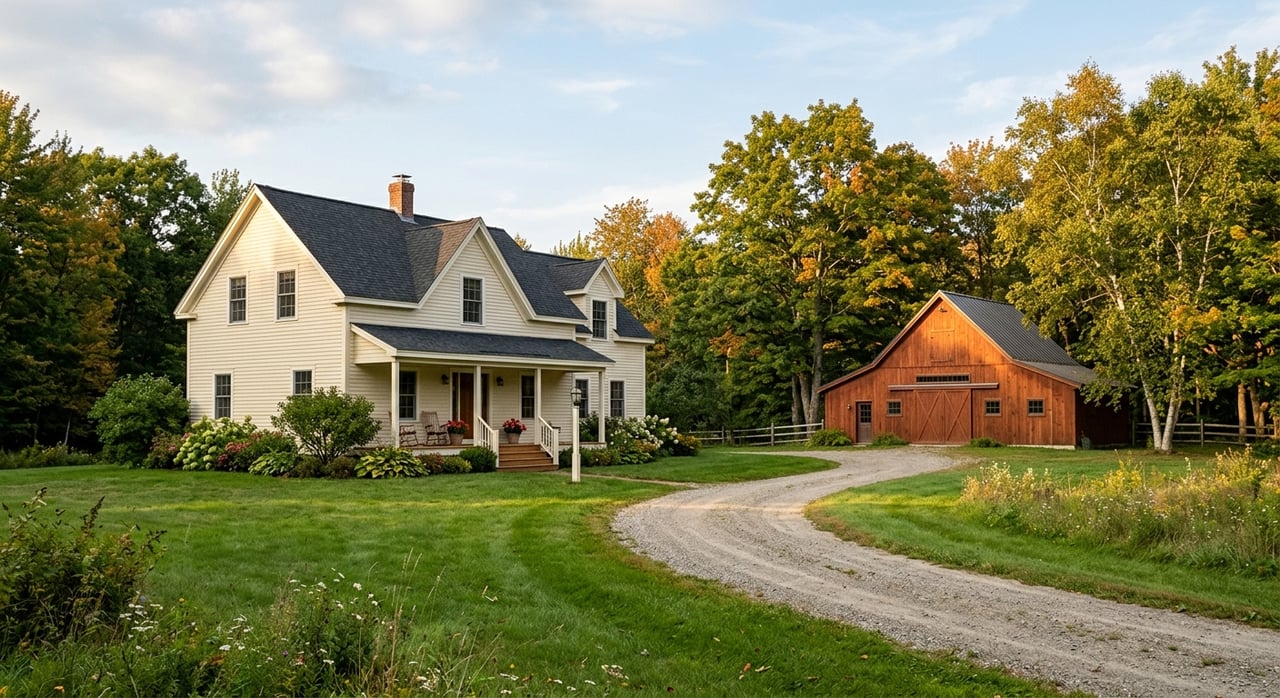
That matters if you are searching for a property with elbow room. In this market, acreage can mean a rural home with open land, a property with outbuildings, or a parcel that may have agricultural uses nearby. It is an established part of the local landscape, not a rare exception.
Many acreage buyers focus on unincorporated towns rather than city or village centers. The county zoning FAQ lists towns such as Bangor, Barre, Farmington, Greenfield, Hamilton, Holland, Medary, Onalaska, Shelby, and Washington among the areas where county zoning may come into play, while zoning authority differs in places like the Cities of La Crosse and Onalaska, the Villages of Bangor, Holmen, and Rockland, and in Campbell and Burns.
Start with zoning authority
Before you think about fences, barns, or future plans, confirm who governs the property. In La Crosse County, that is not a small detail. Zoning oversight can vary depending on whether the parcel is in an unincorporated town, a city, a village, or one of the towns where county zoning is not administered the same way.
The county says zoning is intended to foster orderly development and control land use. For you as a buyer, that means permitted uses depend on the zoning district, whether the land is platted or unplatted, and whether the parcel is in a special overlay area like shoreland or floodplain.
Why zoning matters early
A rural listing may look flexible at first glance, but the allowed uses are not universal from one parcel to the next. If you want to keep livestock, build an additional structure, or make changes later, those plans need to line up with the actual zoning and site conditions.
The county notes that livestock can be kept in unplatted areas of agriculture-zoned Exclusive Ag, General Ag, and Rural districts. Smaller quantities of certain animals may also be allowed in some Residential A and B situations. That is why it is smart to verify the exact district and ask specific use questions before you write an offer.
Check shoreland, floodplain, and wetlands
Water features can add beauty to acreage, but they can also affect how the property can be used. In La Crosse County, shoreland and floodplain rules are a major part of rural due diligence.
The county says a shoreland permit is required for development within 300 feet of a navigable river, creek, or stream, within 1,000 feet of a navigable lake, and within floodplain or wetland areas. The county also administers floodplain and shoreland ordinances in all unincorporated areas of the county.
What this can affect
These rules can influence where you build, how you expand, and what site work may be reviewed. Even if a parcel seems large, not every part of it may function the way you expect.
This is especially important if you are comparing two properties that both advertise acreage. One may offer more practical usable space than another, depending on overlays and setbacks.
Look beyond acreage to actual access
One of the biggest surprises for buyers moving from a neighborhood home to a rural property is road access. It is easy to assume that if a parcel touches a road, the access situation is simple. In reality, driveway rules can affect what you can do and what approvals you may need.
La Crosse County says a driveway permit is required to construct, reconstruct, or change the principal use of a driveway or road that abuts a county highway or is within 200 feet of an intersection to a county highway on another roadway. If the property fronts a state highway, WisDOT requires a connection permit.
Why frontage is not the whole story
The county highway manual says driveway design can involve sight-distance, drainage, and culvert review. It may also require a culvert at the applicant’s expense.
That means road frontage should be treated as a buildability question, not just a box to check. If you are planning a new home site, a detached building, or a different entrance configuration, access review should happen early.
Wells and water deserve close attention
Many rural homes in La Crosse County rely on private wells. That is normal for acreage properties, but it also means the water system is not something to gloss over.
The Wisconsin DNR says private well protection and maintenance are largely the homeowner’s responsibility. The DNR also says state law does not require a well inspection or water testing at property transfer, though many buyers and lenders choose to do both.
What to ask about a private well
When you tour a property, ask for:
- Recent water test results
- Well records, if available
- Maintenance history
- The age and condition of system components, if known
If an inspection is performed, the DNR says it must be completed by a licensed well driller or licensed pump installer. After closing, private well owners should test water annually, so it helps to think of the well as an ongoing home system, not just a one-time transaction item.
Septic systems can shape future plans
Septic is another major difference between many rural homes and in-town properties. In La Crosse County, private onsite wastewater treatment systems, or POWTS, involve local rules, records, and permit considerations that buyers should review carefully.
The county says no person may install a POWTS unless the property owner holds a valid sanitary permit. The county also reviews certified soil tester reports and performs on-site investigations before permits are issued.
Questions to ask about septic
Ask whether the seller has:
- Sanitary permit records
- Soil or site evaluation records
- Maintenance documentation
- Information about any repairs, updates, or limits on use
This matters not only for the purchase itself, but also for your future plans. The county requires a reconnection permit before a structure is connected to an existing private sewage system or when one structure is disconnected and another is connected, which means septic can affect additions, remodels, and replacement structures later on.
Outbuildings, animals, and future changes
A big reason people shop for acreage is flexibility. You may want a shed, a detached garage, a small barn, or room for certain animals. Those goals are possible on some rural properties, but they should never be assumed.
La Crosse County says a Zoning Occupancy permit is generally required for construction, relocation, structural alteration, or additions to buildings or structures. Accessory structures that are 100 square feet or less and outside floodplain and shoreland districts do not require a permit, but setbacks still apply.
Think through your long-term use
Before buying, it helps to make a short list of what you want from the property over the next five to ten years. That might include adding an outbuilding, using land for a hobby-farm setup, or changing how part of the property is used.
Then match that list against the zoning district, parcel status, and any special overlays. This step can save you from buying land that fits your dreams in theory but not in practice.
Ask early if land can be divided later
Some buyers want acreage for privacy today but also wonder whether they could split off land in the future. That is a smart question to ask at the beginning, not after closing.
The county says conveyances that are less than a whole parcel should be discussed with zoning staff to ensure conformity with ordinances. The county also says its public GIS parcel viewer is only a general guide for property lines, and a licensed surveyor should be used when precision matters.
Why this matters for value
If future division is important to you, the answer may affect how you evaluate the property now. A parcel’s layout, zoning, access, and site conditions can all influence whether a split is feasible.
Even when a listing includes maps or approximate boundaries, you should treat those as starting points. For boundary certainty or future planning, survey-level information matters.
Site work can trigger added review
Open land often invites big ideas. You may picture grading a driveway, clearing an area, or preparing a build site. In rural property, those improvements can trigger additional rules.
La Crosse County says erosion-control and stormwater rules apply to land disturbance, and it has separate guidance for plat, subdivision, and five-acre-or-greater land disturbances. Depending on where the property is located, additional municipal review may also apply.
This is another reason acreage buying works best when you look past the view and into the details. A parcel can be beautiful and still require extra planning before work begins.
A practical acreage buyer checklist
If you are serious about a rural property in La Crosse County, start with these questions:
- Is the parcel in a county-zoned town, city, village, or an area with different zoning administration?
- What is the current zoning district?
- Is any part of the property in shoreland, floodplain, wetland, or another overlay area?
- What is the legal driveway access, and are permits required?
- Is there a private well, and are records or test results available?
- Is there a septic system, and are permit, soil, and maintenance records available?
- Can you add outbuildings or keep animals under current rules?
- If future land division matters, has that been reviewed with the proper local authority?
Why local guidance matters with acreage
Acreage purchases often look simple from the road and become more detailed once you dig into the file. That does not mean rural buying is risky by default. It means the right property is the one that fits both your lifestyle and the local framework that governs it.
Having a local agent who understands La Crosse County’s town-by-town differences can make that process feel much clearer. When you know the right questions to ask early, you can move forward with more confidence and fewer surprises.
If you are exploring rural homes, land, or larger-lot properties in La Crosse County, Julie Delap can help you evaluate the practical details behind the listing and find a property that truly fits how you want to live.
FAQs
What does acreage usually mean in La Crosse County?
- In La Crosse County, acreage can include rural homes with open land, properties with outbuildings, and parcels in agricultural or natural areas, especially in unincorporated towns.
What zoning question should acreage buyers ask first in La Crosse County?
- You should first ask which local authority governs the parcel and what zoning district applies, because permitted uses depend on location, zoning, plat status, and overlay areas.
What shoreland rules matter for rural property in La Crosse County?
- La Crosse County says a shoreland permit is required for development within 300 feet of a navigable river, creek, or stream, within 1,000 feet of a navigable lake, and within floodplain or wetland areas.
What should buyers know about private wells on La Crosse County acreage?
- The Wisconsin DNR says private well maintenance is largely the homeowner’s responsibility, water testing is not required by state law at transfer, and many buyers choose to review records and test results before closing.
What should buyers ask about septic systems on rural property in La Crosse County?
- You should ask for sanitary permit records, soil or site reports, maintenance documentation, and any information that could affect future additions, remodels, or replacement structures.
Can you add outbuildings or keep animals on acreage in La Crosse County?
- It depends on the zoning district, parcel status, and overlay rules. The county says some livestock uses are allowed in certain unplatted agricultural and rural districts, and many building changes require zoning review.
Can a buyer split acreage later in La Crosse County?
- Possibly, but the county says any conveyance of less than a whole parcel should be discussed with zoning staff, and a licensed surveyor should be used when precise boundary information is needed.